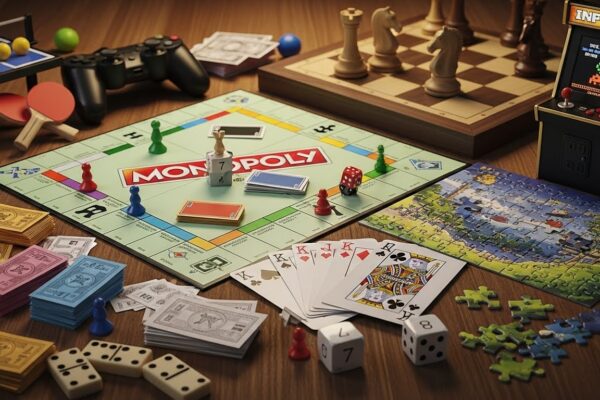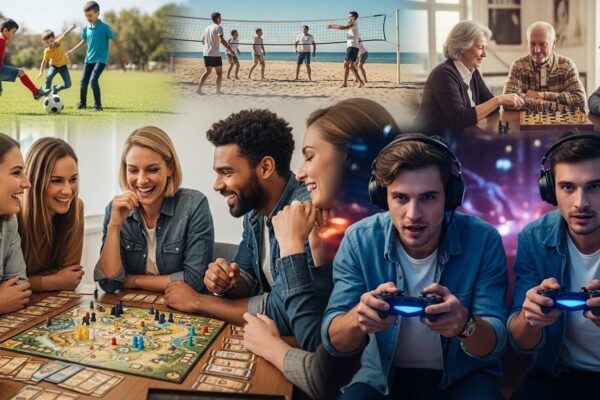
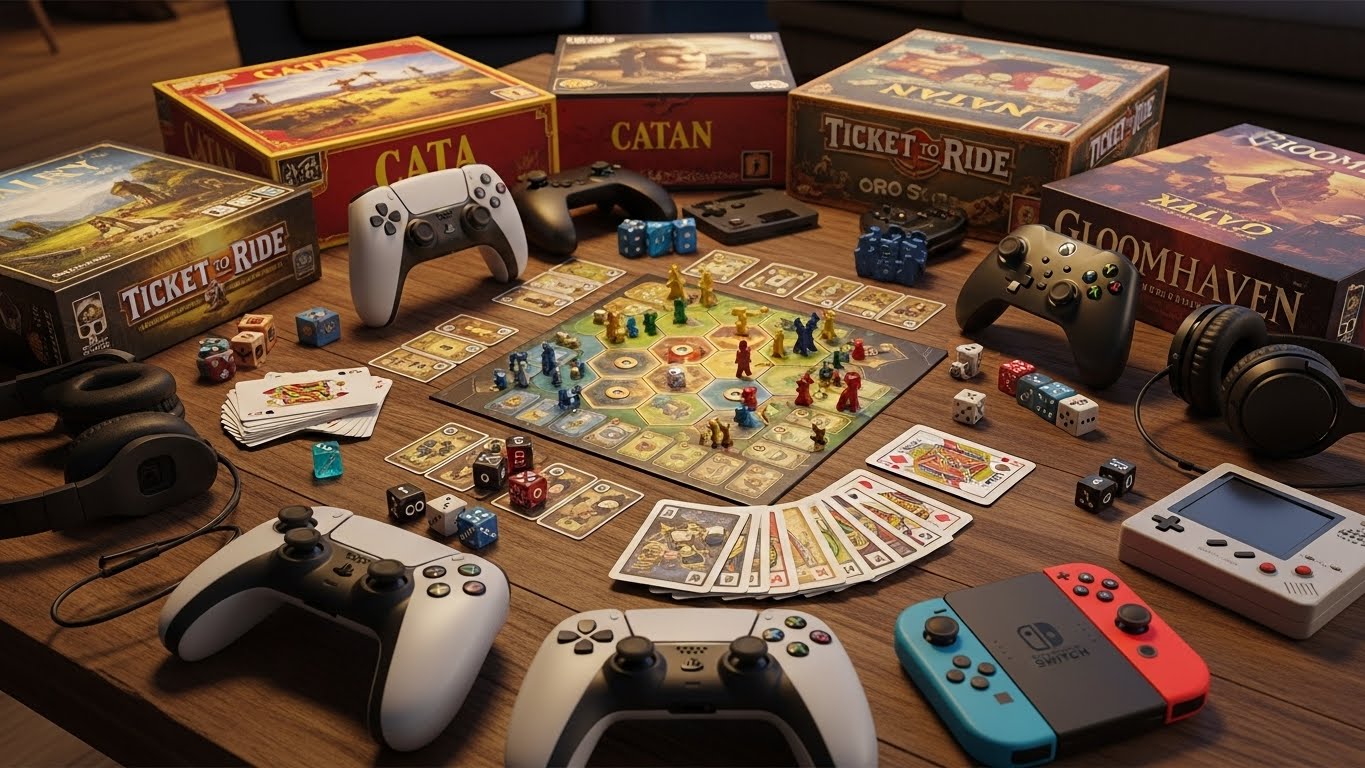
Games have been an essential part of human life for centuries. They entertain, challenge, and educate, creating bonds between people and communities while also offering moments of relaxation and fun. Over time, games have evolved from simple physical activities to highly immersive digital experiences. Today, the gaming industry is a multi-billion-dollar global phenomenon, blending creativity, technology, and storytelling to captivate millions of players around the world. In this blog post, we will explore the history of games, the various types of games available today, and the trends shaping the future of gaming.
The Origins of Games: A Cultural Perspective
Games have existed for thousands of years, with evidence of board games, dice games, and other forms of structured play found in ancient civilizations. One of the earliest known games, Senet, was played in Egypt around 3100 BC. The game required strategic thinking and planning, reflecting the intellectual challenge games have always provided. Similarly, the Royal Game of Ur, originating in Mesopotamia, was a popular strategy game that combined luck and skill.
Throughout history, games served not only as entertainment but also as tools for learning, social interaction, and even spiritual practice. In ancient China, games like Go emphasized strategic thinking and tactical planning. In India, early versions of chess emerged, teaching players about critical thinking and battlefield strategy. These ancient games laid the foundation for the rich diversity of games we enjoy today.
The Evolution of Games Through Time
The progression of games has closely followed societal changes and technological advancements. During the Middle Ages, card games became popular across Europe, providing a form of social interaction that could be played at gatherings or in casual settings. Board games like chess and backgammon remained popular, offering intellectual challenges for players.
The 20th century marked a significant shift in gaming with the introduction of electronic games. Early mechanical and arcade games like Pinball and Pong brought games to public spaces in new ways. These games captured public attention with their interactive elements and immediate feedback, creating a new model of entertainment that combined skill, luck, and competition.
The late 1970s and early 1980s introduced home gaming consoles, including systems like the Atari 2600 and the Nintendo Entertainment System (NES). These consoles allowed players to enjoy video games from the comfort of their homes, changing the way people engaged with games. This era also saw the emergence of iconic franchises such as Super Mario Bros., The Legend of Zelda, and Metroid, which became cultural phenomena and established gaming as a mainstream form of entertainment.
Modern Gaming: A World of Digital Experiences
Today, gaming encompasses an enormous variety of platforms, genres, and experiences. With the rise of powerful consoles, high-performance computers, and mobile devices, players can enjoy games virtually anywhere, anytime. The diversity of modern games ensures that there is something for everyone, regardless of age, interest, or skill level.
Action and Adventure Games
Action and adventure games are among the most popular genres. These games combine fast-paced gameplay with exploration, combat, and storytelling. Players often undertake missions, solve puzzles, and face challenges that require quick reflexes and strategic thinking.
Games such as Grand Theft Auto, Tomb Raider, and The Legend of Zelda provide immersive worlds where players can explore vast environments and interact with complex characters. These games often feature rich narratives and cinematic elements, making players feel like active participants in a living story.
Role-Playing Games (RPGs)
Role-playing games, or RPGs, allow players to take on the persona of a character and engage in immersive storytelling. Players can develop their characters’ abilities, make choices that affect the game’s outcome, and explore vast worlds filled with quests and challenges.
Popular RPGs include The Witcher, Final Fantasy, and The Elder Scrolls series. These games emphasize narrative depth, character development, and player agency, offering experiences that can span hundreds of hours.
Sports and Racing Games
Sports and racing games cater to fans of competition and athletic skill. Sports games like FIFA, NBA 2K, and Madden NFL allow players to control teams or individual athletes, simulating real-life sports events. Racing games, such as Need for Speed, Gran Turismo, and Mario Kart, focus on high-speed excitement, precision, and strategy.
These games often feature multiplayer options, allowing friends and competitors to play together, creating social and competitive experiences that mimic real-world sports dynamics.
Simulation and Strategy Games
Simulation games provide players with realistic experiences that allow them to manage systems or create virtual worlds. Games like The Sims, SimCity, and Microsoft Flight Simulator allow players to design and control environments, make decisions, and observe outcomes in simulated settings.
Strategy games challenge players to think critically and plan their moves carefully. Titles like Civilization, Age of Empires, and Starcraft require resource management, tactical planning, and long-term strategy. These games appeal to players who enjoy intellectual challenges and problem-solving.
Multiplayer Online Battle Arenas (MOBAs) and Battle Royale
MOBAs and Battle Royale games have transformed competitive gaming. MOBAs like League of Legends and Dota 2 focus on team-based strategies, where players control a single character with unique abilities to defeat opponents. These games require communication, coordination, and tactical skill, creating intense competitive experiences.
Battle Royale games such as Fortnite and PUBG pit large groups of players against each other in shrinking arenas. Players must scavenge for resources, survive encounters, and strategize to be the last one standing. These games combine action, strategy, and social interaction in highly engaging ways.
Casual and Puzzle Games
Casual and puzzle games are designed for accessibility and short play sessions. They provide entertainment without requiring deep investment or complex skills. Casual games like Candy Crush and Angry Birds have become immensely popular on mobile devices, offering fun and engaging experiences for players of all ages.
Puzzle games, such as Tetris, Sudoku, and Portal, challenge players’ problem-solving abilities. These games often combine logic, creativity, and strategy, providing mental stimulation while remaining highly entertaining.
Technology and the Future of Gaming
The future of gaming is being shaped by technological advancements that expand the possibilities of play. Innovations in hardware, software, and connectivity are transforming how players experience games.
Virtual Reality and Augmented Reality
Virtual reality (VR) immerses players in fully interactive three-dimensional worlds, allowing them to move, explore, and interact with the environment. VR games such as Beat Saber and Half-Life: Alyx provide unprecedented levels of immersion and engagement.
Augmented reality (AR) overlays digital elements onto the real world, creating interactive experiences that blend reality with virtual objects. Games like Pokémon Go have shown the potential of AR to create social, location-based gameplay experiences.
Cloud Gaming
Cloud gaming, also known as game streaming, allows players to access games from remote servers without the need for powerful hardware. Platforms that offer cloud gaming enable instant access to a wide library of games, allowing players to play anywhere, on any device, and with cross-platform compatibility.
Artificial Intelligence and Procedural Generation
Artificial intelligence (AI) is revolutionizing gameplay, enabling more realistic behaviors for non-player characters, adaptive difficulty levels, and personalized experiences. AI can enhance storytelling, make in-game worlds feel alive, and create challenges tailored to individual players.
Procedural generation uses algorithms to create vast, dynamic worlds. Games like Minecraft and No Man’s Sky utilize this technology to produce ever-changing environments, ensuring that no two playthroughs are the same and offering limitless exploration opportunities.
Social and Competitive Gaming
Gaming is increasingly social, with multiplayer experiences, esports, and online communities creating opportunities for players to interact, collaborate, and compete. Esports has transformed competitive gaming into a professional sport, with tournaments, leagues, and large-scale audiences, further legitimizing gaming as a cultural phenomenon.
Conclusion
The world of games has evolved from simple physical and board games to immersive digital experiences enjoyed by millions worldwide. Games entertain, challenge, and educate, providing players with endless opportunities for creativity, strategy, and social interaction. With the continued advancement of technology, gaming will only become more immersive, engaging, and accessible. From traditional pastimes to modern virtual adventures, the journey of games reflects humanity’s endless curiosity, imagination, and desire for play.
The gaming industry continues to grow, offering new experiences, stories, and challenges that captivate players of all ages. As games evolve, they remain a testament to human creativity, innovation, and the universal joy of play.