Introduction: The Timeless Allure of Games
Games are an integral part of human culture, transcending time, geography, and age. From ancient board games to the sprawling virtual worlds of modern gaming, the act of play has always been a central part of society. Games offer more than just entertainment; they serve as tools for learning, social interaction, and even personal growth. Over time, games have evolved, reflecting both the technological advances of their eras and the changing needs and desires of the people who play them. Today, games are not just confined to childhood pastime but are an essential part of the global entertainment industry, creating communities and shaping modern culture in profound ways.
The Origins of Games: A Glimpse into the Past
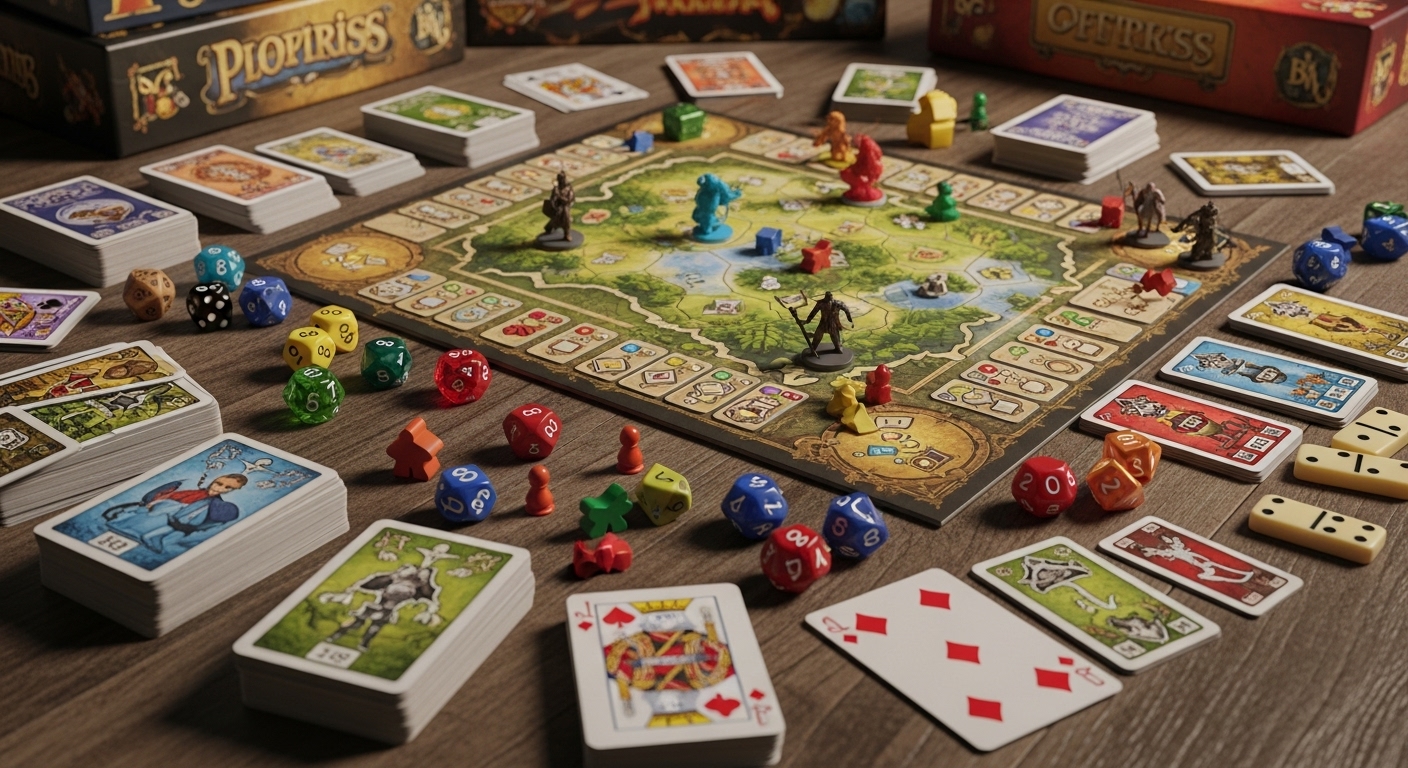
The origins of games stretch back thousands of years. Some of the oldest known games, like Senet in ancient Egypt or the Royal Game of Ur from Mesopotamia, were played with simple dice and pieces on game boards. These early games weren’t just for entertainment—they served as social rituals and sometimes even had spiritual significance. In ancient cultures, games often mimicked the struggles and battles of daily life, teaching strategy, planning, and the importance of decision-making.
As human civilization progressed, so did the complexity of games. The introduction of chess in medieval Europe, for example, brought a new level of intellectual depth to gaming. As societies advanced, games evolved to reflect new ideas, technologies, and forms of entertainment. What started as physical games using stones, dice, or simple objects transformed into the more structured, rule-based games we recognize today.
The Evolution of Digital Games: From Pixels to Realism
The 20th century marked a seismic shift in the world of gaming with the advent of digital technology. The birth of arcade games in the late 1970s, such as Pong and Space Invaders, introduced electronic entertainment to the public. Although these early games were simple by today’s standards, they laid the foundation for what would become a global industry.
The next major leap came with the introduction of home video game consoles in the 1980s. Nintendo’s Super Mario Bros., Sega’s Sonic the Hedgehog, and the rise of the personal computer brought gaming into living rooms, allowing players to immerse themselves in new worlds. These consoles offered a significant shift from arcade games by providing more sophisticated graphics and more complex gameplay. In addition to that, multiplayer gaming began to take off, allowing for a more communal experience.
With the rise of the internet in the 1990s, online multiplayer games like Warcraft and Counter-Strike ushered in a new era of global connectivity. These games enabled players to compete and cooperate with others across the world, leading to the formation of online communities. The continuous improvements in gaming technology—such as 3D graphics, better sound design, and the capacity for more complex game mechanics—have ensured that the evolution of digital games is a story of constant innovation.
The Explosion of Mobile Gaming: A New Frontier
The 21st century introduced a new era for gaming, one that transcended traditional consoles and PCs. The launch of the iPhone in 2007 and the subsequent rise of smartphones revolutionized how people interacted with games. Mobile gaming, which had been in its infancy during the early 2000s, exploded with the advent of app stores. Casual games like Angry Birds, Candy Crush, and Pokémon GO became household names, appealing to a broad demographic of players who had never considered gaming before.
Mobile gaming has the advantage of accessibility. With a smartphone, players can enjoy their favorite games anywhere and anytime. This has made gaming more inclusive than ever, attracting players from all walks of life. Furthermore, the simplicity of mobile games has broadened their appeal, drawing in people who might find traditional video games too complex or time-consuming. Mobile games range from casual puzzle games to more intense action-packed experiences, ensuring that there is something for everyone.
The Rise of Esports: Competitive Gaming as a Cultural Phenomenon
Another significant development in the world of games is the meteoric rise of esports. What started as small local tournaments has evolved into a multi-billion-dollar global industry, with professional gamers, major sponsors, and large-scale tournaments. Games like League of Legends, Dota 2, and Fortnite have transformed gaming from a hobby into a professional sport, with players competing for huge cash prizes and international recognition.
Esports tournaments now attract millions of viewers, both online and in person, rivaling traditional sports events in terms of global reach. Platforms like Twitch and YouTube have become the go-to spaces for streaming live gameplay, offering fans the chance to watch their favorite players in action and interact with other enthusiasts. The growth of esports has led to the formation of professional teams, sponsorships, and college scholarships for competitive gamers.
The Social Impact of Gaming: Building Communities and Connections
One of the most significant aspects of modern gaming is its ability to create communities. Online multiplayer games, social games, and even mobile apps allow players to connect with others across the globe. These digital spaces often foster a sense of belonging, as players engage with like-minded individuals who share common interests.
Gaming has become a way to stay in touch with friends, build new relationships, and interact in a social setting that transcends physical barriers. In games like World of Warcraft and Fortnite, players create teams or “guilds,” where they can collaborate to achieve common objectives. These virtual communities allow for a level of socialization that may be difficult to achieve in the real world, especially for those who might feel isolated due to geographic or social constraints.
Furthermore, the rise of user-generated content has added another layer to the social aspect of gaming. Players can create mods, custom levels, or entirely new games, sharing them with the community for others to enjoy. This exchange of creativity fosters collaboration and strengthens the ties between developers and players.
Gaming as Art: The Intersection of Creativity and Technology
Gaming has also become a respected form of art. The visual storytelling, intricate world-building, and sound design in games today rival those found in traditional art forms like film and literature. Games like The Last of Us, Journey, and Red Dead Redemption 2 are recognized not just for their gameplay but for their emotional depth and narrative complexity.
Game designers and developers approach their work like artists, crafting detailed worlds, characters, and experiences that captivate players in unique ways. The blending of technology with artistry in games has led to new forms of expression, where music, visuals, and writing all come together to tell a story. Many games are now celebrated for their ability to provoke thought, explore complex themes, and push the boundaries of creativity.
The Educational Value of Games
While games have often been seen as entertainment, their educational value is becoming increasingly recognized. Games are used in classrooms to teach everything from math and science to history and literature. Educational games take advantage of interactive elements, allowing students to learn through play rather than passive instruction. Games like Minecraft have been used as a teaching tool to foster creativity, collaboration, and problem-solving skills.
Simulations and strategy games, such as SimCity or Civilization, teach players about resource management, political strategy, and historical events. These games provide an engaging way for players to learn about complex subjects while enjoying themselves. The immersive nature of games means that players often become deeply invested in the learning process, making it more effective than traditional methods of instruction.
The Future of Gaming: Innovations and Possibilities
As technology continues to evolve, so too will gaming. Virtual reality (VR) and augmented reality (AR) are poised to take gaming to new heights. VR technology, in particular, offers the potential to immerse players in entirely new worlds, where they can interact with the environment in a more lifelike way. The continued development of AI (artificial intelligence) will also enhance gaming, creating dynamic, responsive environments that adapt to players’ actions.
The rise of cloud gaming is also set to change the landscape of gaming. With cloud-based platforms, players will no longer need high-end gaming PCs or consoles to enjoy the latest games. Instead, games will be streamed directly to any device, democratizing access to gaming and eliminating the need for expensive hardware.
The concept of the “metaverse” is also gaining traction. A virtual world that merges gaming with social interaction, the metaverse promises to reshape the way we play, work, and socialize online. This interconnected digital universe will blur the lines between reality and virtual life, offering endless possibilities for creativity, communication, and entertainment.
Conclusion: Games as a Universal Language
From their humble beginnings to their current status as a global industry, games have had a profound impact on culture, society, and the way we engage with the world around us. They are more than just entertainment—they are a means of learning, connecting, and expressing creativity. As technology continues to advance, the potential for games to shape our experiences and bring people together is limitless.
Games are a universal language, a form of expression that transcends borders and unites us through shared experiences. They offer a space for fun, learning, competition, and cooperation. Whether in the form of traditional board games, mobile apps, or immersive virtual worlds, games will continue to evolve and remain an essential part of our lives for generations to come.