Introduction: The Role of Games in Our Lives
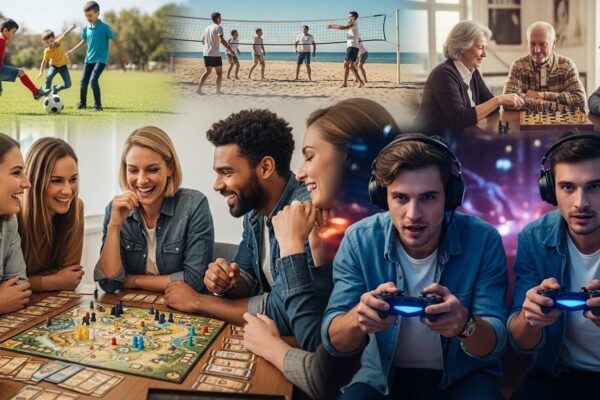
Games have always been an integral part of human culture. From ancient civilizations to the digital age, play has served as a form of entertainment, a method of learning, and a social activity that binds people together. The evolution of games is a testament to human creativity, innovation, and the desire to connect with others. Whether it’s a game of chess, a casual mobile game, or a complex multiplayer video game, games have grown beyond simple leisure activities into a massive industry that influences art, culture, and even education. In this post, we will explore the journey of games, how they have evolved, and the ways in which they impact our lives today.
The Origins of Games: Play as a Cultural Staple
The concept of play has existed for as long as human history. The earliest games date back thousands of years, with evidence of ancient civilizations using games as both entertainment and educational tools. One of the most famous ancient games is Senet, an Egyptian board game believed to have been played as far back as 3100 BC. Other early examples of games include the Royal Game of Ur, a game from Mesopotamia, and Go, a strategic board game from China that dates back to around 2,500 years ago. These games were not just pastimes but were often deeply embedded in the culture and spiritual beliefs of the people who played them.
Games were primarily a social activity, fostering relationships and community bonds. In many cultures, games were a way to teach children important life skills like strategy, patience, and cooperation. While the nature of the games varied greatly from culture to culture, one thing remained constant: the desire to play and compete. This need for play was universal, and it laid the foundation for the development of more complex games in the centuries that followed.
The Digital Revolution: The Rise of Video Games
The true transformation of the gaming world began in the 20th century with the invention of electronic devices. The introduction of arcade games in the 1970s marked the beginning of the digital gaming era. One of the first major video games to gain widespread popularity was Pong, an arcade game that mimicked the simple sport of table tennis. Though primitive by today’s standards, Pong was a groundbreaking innovation that introduced millions of people to the world of electronic gaming.
As technology advanced, so did video games. The 1980s saw the rise of home gaming consoles like the Atari 2600, Nintendo Entertainment System (NES), and Sega Genesis. These consoles allowed people to play video games in the comfort of their own homes, making gaming more accessible and enjoyable than ever before. Iconic games like Super Mario Bros., Pac-Man, and Tetris became cultural touchstones, with characters and gameplay mechanics that are still remembered fondly today.
By the 1990s, video games had entered a new phase of development, thanks to the rise of personal computers and the introduction of 3D graphics. Games like Doom and Quake revolutionized first-person shooters, while games like The Legend of Zelda: Ocarina of Time set new standards for open-world exploration and storytelling. As the internet became more widely available, multiplayer games like Warcraft and StarCraft allowed people to connect with others across the globe, creating the foundation for the online gaming culture that would dominate the 21st century.
The Mobile Gaming Revolution: Gaming Anywhere, Anytime
One of the most significant shifts in the gaming industry occurred with the advent of smartphones. The launch of the iPhone in 2007 marked the beginning of a new era for gaming. With the introduction of app stores, mobile games became a massive phenomenon, accessible to anyone with a smartphone or tablet. Games like Angry Birds, Candy Crush Saga, and Clash of Clans introduced millions of people to gaming, including those who had never considered themselves gamers before.
Mobile gaming has had a profound impact on the industry, making gaming more accessible and convenient than ever before. Unlike traditional gaming consoles or PCs, mobile games can be played anywhere, whether you’re commuting to work, waiting in line, or relaxing at home. The simplicity and affordability of mobile games also made them appealing to a broader audience, from casual gamers to those looking for quick entertainment during their downtime.
In addition to traditional mobile games, augmented reality (AR) games like Pokémon GO have taken mobile gaming to the next level. By blending the real world with the virtual world, AR games have created new ways for players to interact with their surroundings. Pokémon GO, for example, encourages players to explore their neighborhoods and interact with other players in real-world locations, blurring the lines between physical and digital play.
Esports: Gaming as a Competitive Sport
While video games have always been about fun and entertainment, the rise of esports has turned gaming into a competitive sport. Esports refers to competitive video gaming, where players or teams compete in tournaments for cash prizes and global recognition. The first major esports tournament took place in 1997, but it wasn’t until the 2000s that esports began to gain real traction, thanks to games like StarCraft and Warcraft III.
Today, esports is a multi-billion-dollar industry, with major tournaments attracting millions of viewers worldwide. Games like League of Legends, Dota 2, and Fortnite have established dedicated fan bases and professional leagues, while platforms like Twitch and YouTube have made it easier than ever for fans to watch live-streamed tournaments and follow their favorite players.
Esports has not only elevated gaming to the level of professional sports but has also created a new career path for gamers. Professional esports players can make a living from tournament winnings, sponsorships, and streaming, while coaches, analysts, and commentators are also in demand. The rapid growth of esports has cemented gaming’s place in the mainstream entertainment industry.
Gaming as an Art Form: The Rise of Storytelling in Games
As the technology behind video games continued to improve, so did the storytelling and artistic elements of gaming. Today’s games are no longer just about scoring points or completing levels—they are immersive experiences that can evoke powerful emotions, tell complex stories, and explore deep philosophical questions. Games like The Last of Us, Red Dead Redemption 2, and Journey have earned critical acclaim for their cinematic storytelling, complex characters, and beautiful visual design.
In these games, players are not simply following a script—they are actively participating in the story. Their decisions and actions shape the outcome of the narrative, creating a unique and personal experience for each player. This level of interactivity, combined with stunning visuals, music, and voice acting, has elevated gaming to a form of art that rivals traditional media like film and literature.
Moreover, games like The Witcher 3 and Mass Effect have created worlds so rich in detail that players can get lost in them for hours, exploring every nook and cranny and uncovering hidden stories. The combination of gameplay and narrative in these titles allows players to immerse themselves in a world that feels alive, dynamic, and reactive to their choices.
The Social Impact of Games: Building Communities
One of the most remarkable aspects of modern gaming is its ability to create global communities. Online multiplayer games, in particular, have connected players from all over the world, allowing them to collaborate, compete, and form friendships. Games like World of Warcraft, Fortnite, and Minecraft have brought people together in ways that were once unimaginable.
These online communities often extend beyond the game itself, with players creating forums, fan groups, and social media pages to share their experiences, discuss strategies, and connect with like-minded individuals. For many, gaming has become a social activity—a way to bond with friends, meet new people, and share experiences that transcend cultural and geographical boundaries.
Furthermore, gaming has had a positive impact on mental health for many players. Games offer a form of escapism that allows players to temporarily disconnect from the stresses of everyday life. They provide a sense of accomplishment and mastery, and multiplayer games foster teamwork and social interaction. Many players find comfort in the supportive communities they become part of, where they can share both victories and struggles.
The Future of Gaming: What’s Next?
The future of gaming is bright, with new technologies and innovations continually reshaping the industry. Virtual reality (VR) and augmented reality (AR) are already beginning to transform the way we play, with immersive experiences that blur the line between the real world and the digital world. In the coming years, VR gaming could become as mainstream as console gaming, offering players fully immersive environments that allow them to interact with virtual worlds like never before.
Cloud gaming is another exciting development. With services like Google Stadia and Microsoft’s Xbox Cloud Gaming, players can stream games directly to their devices without the need for expensive hardware. This could make gaming more accessible to people around the world and allow players to enjoy high-quality games on a variety of devices, from smartphones to smart TVs.
Artificial intelligence (AI) is also expected to play a larger role in gaming, with games becoming even more dynamic and responsive to players’ actions. AI-powered NPCs (non-playable characters) could create more realistic and engaging worlds, while procedurally generated content could offer endless new challenges for players.
Conclusion: The Timeless Appeal of Games
Games have come a long way since their humble beginnings in ancient civilizations. What started as simple pastimes have evolved into a global industry that encompasses a wide range of experiences, from casual mobile games to competitive esports and immersive storytelling. Games have become a central part of modern culture, connecting people across the globe and providing entertainment, education, and social interaction.