
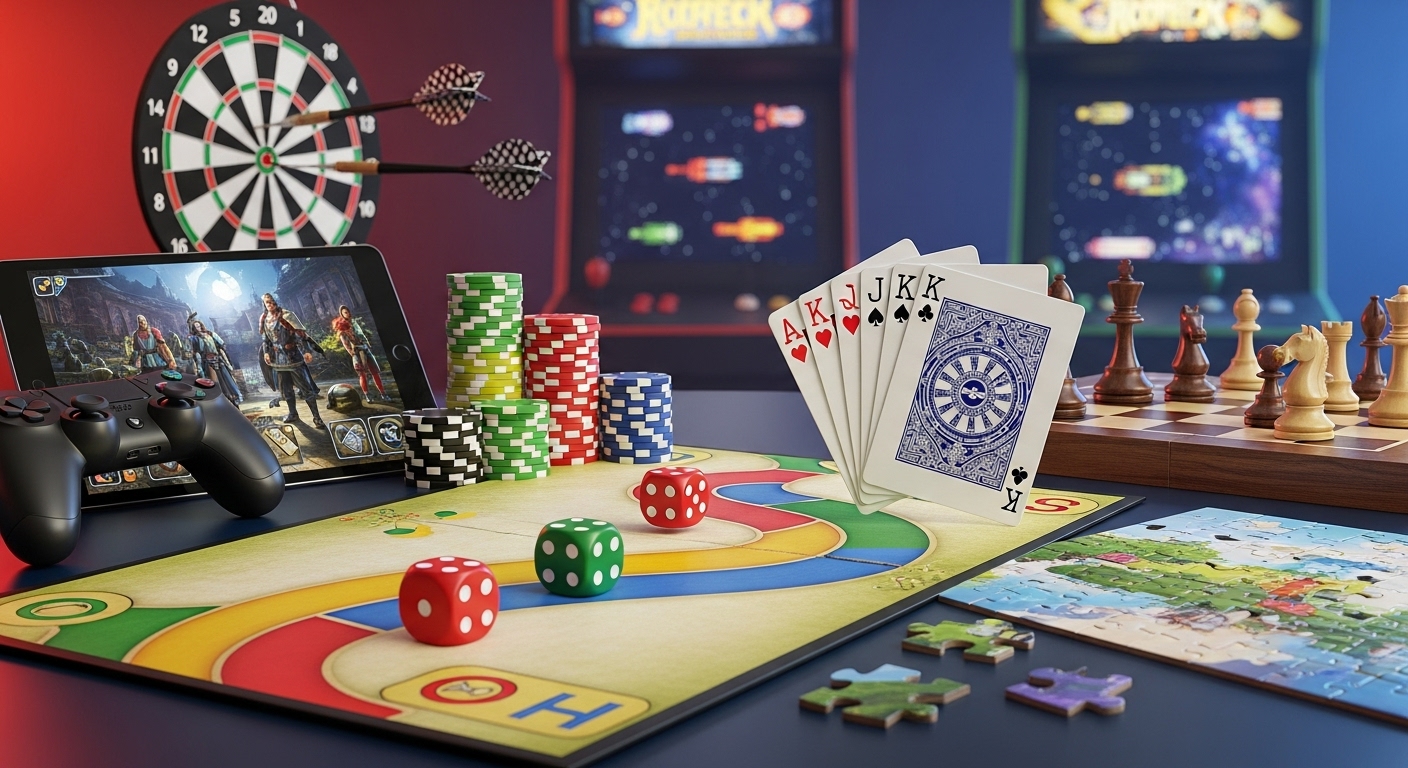
Games are more than just a way to pass time—they are a reflection of human creativity, strategy, and social connection. From ancient board games to modern digital worlds, games have always held a special place in our lives.
The Evolution of Games
Games have evolved tremendously over the centuries. Early games were simple and often focused on chance or basic skill. With the rise of digital technology, games transformed into immersive experiences with complex storylines, realistic graphics, and interactive gameplay. Today, games range from casual mobile apps to highly competitive esports, appealing to people of all ages and interests.
Mental and Cognitive Benefits
Playing games is not just entertainment—it’s a workout for the brain. Strategy games improve critical thinking and problem-solving skills, while fast-paced action games enhance reflexes and hand-eye coordination. Role-playing and adventure games encourage creativity and decision-making. Games challenge the mind, requiring players to analyze situations, plan strategies, and adapt quickly to new challenges.
Social Connection Through Gaming
Contrary to the stereotype of the solitary gamer, modern gaming often promotes social interaction. Multiplayer games connect people across the globe, fostering teamwork, communication, and collaboration. Players build communities, form friendships, and even participate in competitive tournaments, creating a sense of belonging and shared achievement.
Games as a Storytelling Medium
Games are a unique form of storytelling. Unlike movies or books, they allow players to interact with the narrative, making choices that shape the outcome. This interactivity makes stories more engaging and personal, creating experiences that leave a lasting impact. Whether it’s an epic quest, a strategic conquest, or a personal adventure, games immerse players in worlds where they are active participants.
The Future of Gaming
The future of games is bright and full of possibilities. Virtual reality, augmented reality, and artificial intelligence are pushing the boundaries of what games can offer. These technologies will make gaming more immersive, interactive, and transformative, creating experiences that blend imagination with reality.
Conclusion
Games are far more than mere entertainment—they are tools for learning, socializing, and creative expression. They challenge our minds, connect us with others, and transport us to incredible worlds. Whether you are a casual player or a dedicated gamer, the power of games to enrich our lives is undeniable.