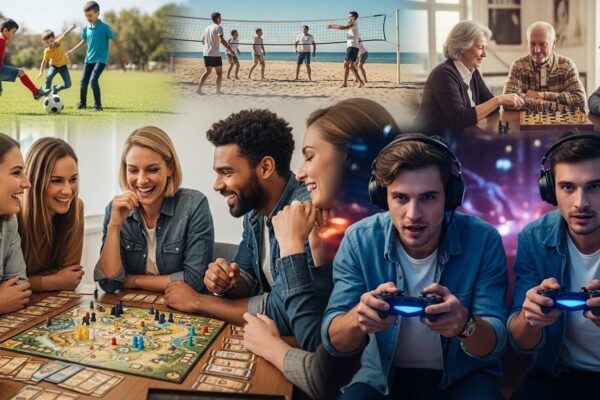
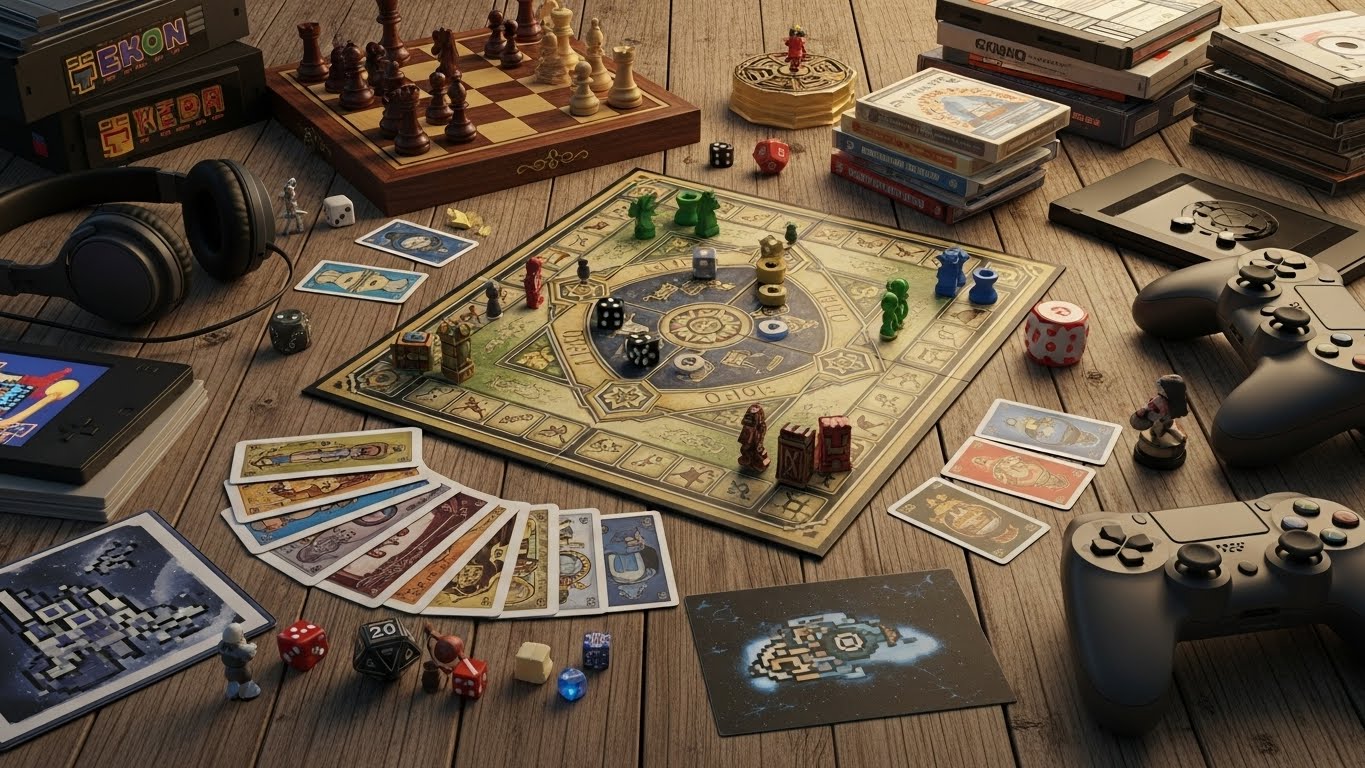
Games have always been a part of human history, long before computers and consoles existed. From ancient board games and physical sports to the modern digital experiences of video games and virtual reality, games reflect our desire for challenge, creativity, and connection. They entertain, educate, and even bring people together across cultures and generations. This blog explores the world of games, their evolution, their impact on society, and why they remain an essential part of our lives.
The History of Games
The concept of games dates back thousands of years. Ancient civilizations developed board games, puzzles, and physical challenges to entertain, educate, and foster social interaction. The Egyptians had Senet, one of the earliest known board games, while the Romans and Greeks enjoyed various athletic competitions that tested skill, strategy, and endurance.
With the advent of computers in the late 20th century, games entered a new era. Early video games like Pong and Space Invaders offered simple mechanics but captivated audiences with their innovation. As technology progressed, games became more sophisticated, with complex narratives, realistic graphics, and interactive worlds.
The Evolution of Video Games
Video games have undergone rapid evolution over the past few decades. In the 1980s and 1990s, consoles like the Nintendo Entertainment System and Sega Genesis introduced millions to immersive gameplay experiences. These games combined fun with storytelling, giving players a sense of adventure and accomplishment.
The early 2000s marked the rise of online multiplayer gaming, connecting players across the globe. Platforms like PlayStation Network and Xbox Live allowed friends and strangers to team up or compete in real time. Today, modern consoles, PCs, and mobile devices offer highly interactive and visually stunning experiences, pushing the boundaries of what games can achieve.
Types of Games
Games come in many forms, each offering unique experiences and challenges.
Board Games and Card Games
Traditional board and card games remain popular because they encourage social interaction and strategic thinking. Games like chess, Monopoly, and poker test decision-making, patience, and foresight while providing fun for players of all ages.
Video Games
Video games have become a global phenomenon, offering diverse genres such as action, adventure, role-playing, sports, simulation, and puzzle games. They combine storytelling, visuals, and gameplay mechanics to create immersive experiences that engage players intellectually and emotionally.
Mobile Games
Mobile gaming has exploded in recent years due to the accessibility of smartphones and tablets. Casual games like puzzle apps, word games, and simulation experiences allow players to enjoy entertainment anytime, anywhere. Mobile games also offer opportunities for social interaction through online leaderboards, multiplayer modes, and events.
Esports and Competitive Gaming
Esports has transformed gaming into a professional industry. Competitive games like League of Legends, Dota 2, and Counter-Strike attract millions of viewers, with players achieving celebrity status and lucrative sponsorships. Esports tournaments combine strategy, teamwork, and skill, demonstrating the depth and professionalism of modern gaming.
The Psychology of Gaming
Games are more than just entertainment; they engage our minds in unique ways. Game designers often use psychological principles to make gameplay satisfying and rewarding. Concepts such as “flow,” where players are fully absorbed in an activity, and positive reinforcement, where success encourages continued engagement, are central to modern game design.
Games also offer a sense of control and agency. Players can explore virtual worlds, make meaningful choices, and experience achievements that may be challenging to replicate in real life. This combination of challenge, reward, and immersion makes gaming highly engaging and, for many, deeply satisfying.
Games as a Cultural Force
Games influence culture in significant ways. Popular video games shape fashion trends, music, and online communities. Iconic game characters become part of collective memory, inspiring merchandise, fan art, and even movies. Games also reflect societal issues, from storytelling that explores moral dilemmas to simulations that educate players about real-world problems.
Online communities created around games foster social connections, collaboration, and shared experiences. Gamers from different backgrounds can meet, communicate, and compete, creating a global network that transcends language and geography.
Educational and Cognitive Benefits of Games
Games are not only entertaining but also educational. Many games develop problem-solving skills, critical thinking, strategic planning, and creativity. Puzzle and strategy games challenge players to think logically and adapt to changing conditions, enhancing cognitive abilities.
Simulation games and interactive experiences provide practical learning opportunities. Flight simulators, medical training games, and historical recreations allow players to practice skills in a controlled virtual environment. Educational games for children teach math, language, and science concepts in fun, interactive ways.
Games and Social Interaction
One of the most powerful aspects of games is their ability to connect people. Multiplayer and online games encourage teamwork, communication, and collaboration. Players form bonds, share strategies, and celebrate victories together, creating a sense of community.
Even single-player games can foster social interaction through shared experiences. Players discuss stories, characters, and strategies in forums, social media, and streaming platforms. In this way, games serve as a bridge between solitary enjoyment and social engagement.
The Impact of Technology on Gaming
Technology has dramatically changed the way we play games. Graphics have become increasingly realistic, artificial intelligence creates dynamic and challenging gameplay, and virtual reality immerses players in lifelike environments. Cloud gaming allows high-quality experiences without expensive hardware, making games more accessible than ever.
Mobile technology has transformed casual gaming, while streaming platforms enable players to share gameplay with audiences worldwide. The integration of augmented reality and virtual reality further blurs the line between the digital and physical worlds, creating new ways to experience games.
Games and Mental Health
Gaming can have both positive and negative effects on mental health. Moderate gaming can reduce stress, improve cognitive function, and provide emotional satisfaction. Cooperative and social games offer opportunities for connection and support.
However, excessive gaming or addiction can lead to negative consequences, including social withdrawal, sleep disruption, and neglect of responsibilities. Awareness and balance are essential to ensure gaming remains a healthy and enriching part of life.
Games as Art
Modern games are increasingly recognized as a form of art. They combine storytelling, visuals, music, and interactivity to create experiences that rival films and literature. Games like The Legend of Zelda, Journey, and Red Dead Redemption 2 are celebrated for their narrative depth, aesthetic beauty, and emotional resonance.
Unlike traditional art forms, games are interactive. Players influence outcomes, explore virtual worlds, and participate in the storytelling process. This interactivity makes gaming a unique medium that engages both the mind and emotions.
The Future of Gaming
The future of gaming is filled with exciting possibilities. Artificial intelligence will create more adaptive and personalized experiences. Virtual reality and augmented reality will make games more immersive than ever. Cloud-based platforms will continue to democratize access, allowing more people to enjoy high-quality games regardless of location or hardware.
Games may also become more integrated with social interaction, education, and professional development. As technology evolves, the boundaries between entertainment, learning, and creativity will continue to blur, creating a world where gaming is not just fun but an essential part of human experience.
Conclusion
Games have evolved far beyond simple entertainment. They are a cultural force, a tool for learning, a form of artistic expression, and a means of connection. They challenge us, inspire us, and allow us to experience worlds beyond our imagination.
Whether it is a child learning through an educational game, friends collaborating in a multiplayer adventure, or professional esports athletes competing on a global stage, games have a profound impact on our lives. They are more than play; they are a reflection of human creativity, curiosity, and the desire to explore, compete, and connect.
As technology continues to advance and gaming experiences become more immersive and interactive, games will remain an essential part of society, culture, and personal growth. They remind us that play is not just for fun—it is a fundamental aspect of what it means to be human.