Introduction: The Universal Language of Play
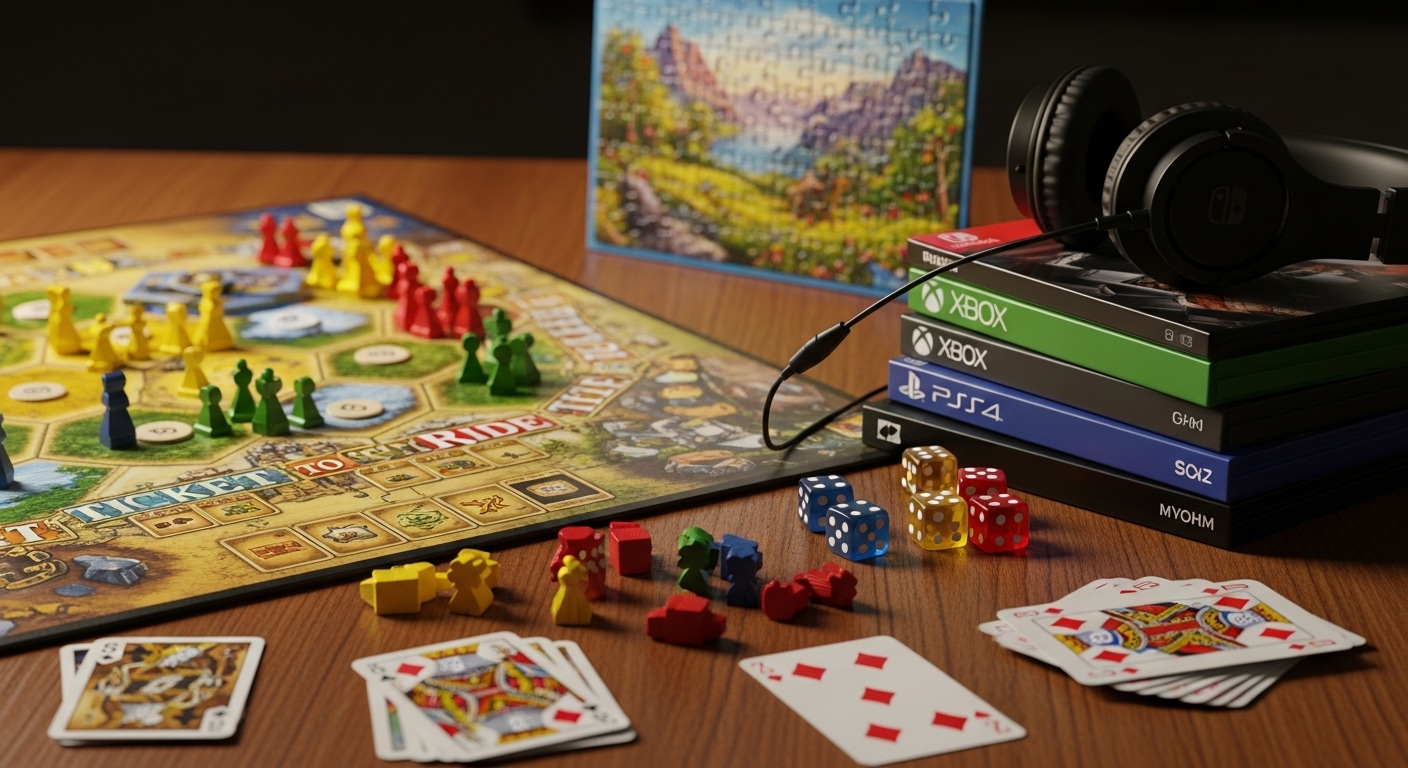
Games have always been a part of human civilization, from ancient board games carved in stone to complex digital worlds that span the globe. Today, games are not merely a source of entertainment but a fundamental part of modern culture and innovation. They challenge our minds, build communities, and push the boundaries of technology and storytelling. The world of games—digital or physical—has become an ever-evolving ecosystem that mirrors human creativity, ambition, and imagination. In this era, games are more than just pastimes; they are reflections of who we are and what we aspire to become.
The Roots of Gaming: From Stones to Screens
Long before technology entered our lives, games existed in the simplest of forms. Ancient civilizations played games to entertain, compete, and learn. Chess, invented over a thousand years ago, remains a symbol of strategic brilliance. Traditional games such as Go, Senet, and Mancala laid the foundation for mental challenge and skill-based recreation. These early forms of gaming connected people socially while stimulating their intellects. As societies evolved, so did the concept of games—transforming from simple physical interactions to more complex systems involving imagination, rules, and objectives. The core idea remained the same: to engage the human mind through challenge and reward.
The Birth of Video Games: A New Age of Play
The 20th century marked a revolutionary turning point with the birth of electronic games. What began as experiments on early computers soon blossomed into an entirely new medium. The 1970s and 1980s introduced arcade games, capturing public fascination with flashing lights and fast-paced fun. Players lined up to test their reflexes and set high scores. Titles like Pong, Pac-Man, and Tetris became cultural icons, showing that games could capture hearts and imaginations worldwide. The introduction of home consoles brought gaming into households, changing family entertainment forever. Suddenly, gaming was no longer confined to arcades—it became a part of everyday life.
The Expansion of Gaming Platforms
As technology advanced, gaming diversified across multiple platforms. Consoles, personal computers, and eventually mobile devices opened doors to new experiences and audiences. Console gaming focused on accessibility and storytelling, offering immersive worlds where players could lose themselves for hours. PC gaming catered to enthusiasts seeking high-performance experiences and the freedom to modify games. Mobile gaming, however, transformed the industry entirely. With smartphones in nearly every hand, billions of people could now play anywhere, anytime. This accessibility created a global gaming culture where everyone, regardless of age or background, could participate in the joy of play.
The Art of Game Design
Behind every great game lies a blend of art, science, and psychology. Game design is an intricate process that balances storytelling, challenge, and emotion. A successful game captures a player’s attention and imagination, guiding them through an experience that feels both personal and rewarding. Designers consider every detail—from sound effects to level structure—to ensure players remain engaged. The artistry of world-building and character design transforms simple interactions into immersive adventures. Today, games rival films and novels in their narrative power, using visual storytelling and emotional depth to explore complex themes such as morality, identity, and love.
The Social Power of Games
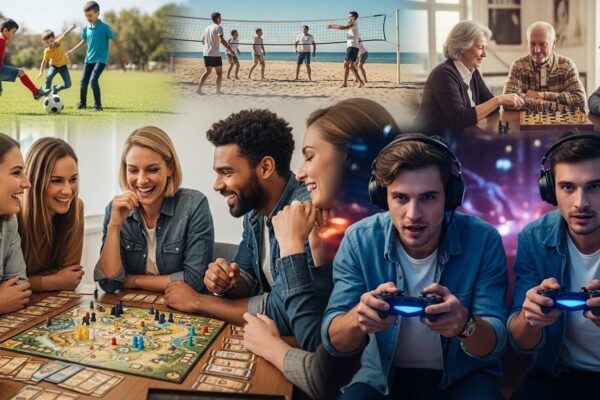
Games have an incredible ability to bring people together. Whether played around a table or across a digital network, they foster communication, teamwork, and connection. Online multiplayer games have created virtual communities where friendships are built and collaborations thrive. Players from different continents can cooperate, compete, and celebrate achievements together. In many ways, games serve as digital meeting grounds where language barriers fade and shared objectives unite people. Cooperative gameplay teaches empathy and problem-solving, while competitive gaming sharpens focus and strategy. In a world often divided by differences, games serve as a reminder of our shared desire for connection and fun.
The Rise of Esports and Competitive Gaming
In recent decades, gaming has transcended recreation to become a professional sport. Esports, or electronic sports, represents the competitive side of gaming where skilled players face off in tournaments watched by millions. These events mirror traditional sports in intensity and passion. Players train rigorously, develop strategies, and perform under pressure in front of global audiences. Esports has become a billion-dollar industry, complete with sponsors, teams, and global championships. This competitive arena not only showcases talent but also inspires younger generations to view gaming as a legitimate career path. What was once a hobby has evolved into a platform for fame, recognition, and achievement.
Games and Storytelling: The Interactive Narrative
One of the most remarkable aspects of modern games is their ability to tell stories interactively. Unlike movies or books, games allow players to shape the narrative through their choices. This interactivity creates emotional investment, making each player’s journey unique. Story-driven games have introduced unforgettable characters and worlds that linger in the imagination long after the screen fades. They address themes such as loss, courage, and morality, often encouraging players to reflect on real-world issues. This fusion of gameplay and storytelling has elevated games into a respected art form, capable of evoking powerful emotions and thought-provoking experiences.
Educational and Therapeutic Potential of Games
Games are not only tools for entertainment—they have immense educational and therapeutic value. In classrooms, educational games are used to teach subjects like history, science, and mathematics in engaging ways that stimulate curiosity and critical thinking. Simulations help students understand complex systems and decision-making processes. Beyond education, games also serve therapeutic purposes. They are used in mental health treatments, cognitive training, and rehabilitation. Certain games help individuals manage stress, improve focus, or recover from physical injuries. By combining fun with purpose, games have proven their potential to heal, teach, and inspire growth in ways traditional methods cannot.
The Role of Artificial Intelligence in Modern Games
Artificial intelligence has reshaped the gaming experience by creating smarter, more adaptive systems. AI-driven characters can learn from player behavior, providing a more personalized and dynamic challenge. Machine learning helps developers predict player preferences, balance gameplay, and improve storytelling. Beyond gameplay, AI also assists in creating realistic graphics, generating procedural worlds, and automating testing processes. These advancements have made games more immersive, reducing predictability and enhancing realism. As AI continues to evolve, the line between player and machine will blur further, creating experiences that adapt in real time to the player’s emotions and actions.
The Future of Immersive Gaming: VR and AR
Virtual reality and augmented reality are transforming the way we experience games. Virtual reality places players directly into digital worlds, allowing them to look around, move, and interact as if they were truly there. Augmented reality, on the other hand, overlays digital elements onto the real world, merging physical and virtual experiences. These technologies redefine immersion and interactivity, offering new possibilities for education, exploration, and entertainment. As devices become more affordable and advanced, VR and AR will likely become mainstream, opening pathways to entirely new genres and forms of creative expression.
Cultural Impact of Games
Games have become an integral part of modern culture, influencing art, music, and even fashion. Iconic characters, soundtracks, and aesthetics often inspire trends in popular media. Gaming conventions attract millions of attendees, celebrating creativity, technology, and community spirit. The language of gaming has also entered everyday conversation, shaping how people communicate and relate to one another. More importantly, games have become cultural archives, preserving stories, myths, and values through interactive experiences. They provide a global stage where diverse voices can share their perspectives and ideas, making gaming one of the most inclusive forms of creative expression.
The Business Side of Games
The gaming industry is one of the most lucrative sectors in the world, generating billions of dollars annually. From independent developers to major studios, the ecosystem thrives on innovation and player engagement. Business models have evolved from one-time purchases to live services, subscriptions, and microtransactions. Digital distribution has made it easier for developers to reach audiences directly, while player feedback now plays a major role in shaping updates and expansions. The rise of independent developers has also diversified the industry, leading to creative experimentation and representation across cultures and themes. This balance between creativity and commerce continues to define the modern gaming landscape.
Challenges in the Gaming Industry
Despite its growth, the gaming industry faces challenges that require attention and reform. Issues such as excessive monetization, crunch culture, and representation have sparked important conversations among players and developers. Additionally, the accessibility of games must continue to improve to accommodate players with disabilities. The industry’s future depends on maintaining ethical standards, supporting diversity, and ensuring that games remain inclusive and enjoyable for everyone. By addressing these challenges responsibly, gaming can continue to be a positive force in both entertainment and society.
The Future of Games: Endless Possibilities Ahead
The future of gaming is filled with innovation and opportunity. With advancements in technology, games will become more realistic, emotional, and interconnected. Cloud gaming will remove hardware limitations, allowing anyone to play high-quality games from virtually any device. Artificial intelligence will enable games to adapt to each player uniquely, while immersive technologies will make virtual worlds more tangible than ever before. Games will continue to shape how people learn, socialize, and experience art. As creativity and technology advance hand in hand, the possibilities for what games can achieve are limitless.
Conclusion: Games as the Soul of Modern Creativity
Games have come a long way from simple amusements to profound expressions of creativity and culture. They embody the essence of human innovation, merging technology, art, and emotion into one powerful medium. Whether through the thrill of competition, the beauty of storytelling, or the joy of collaboration, games connect us in ways few other experiences can. They challenge our intellect, ignite our imagination, and provide a glimpse into the future of interactive entertainment. In a world constantly changing, games remind us that play is not just recreation—it is a celebration of curiosity, creativity, and the human spirit.