Introduction
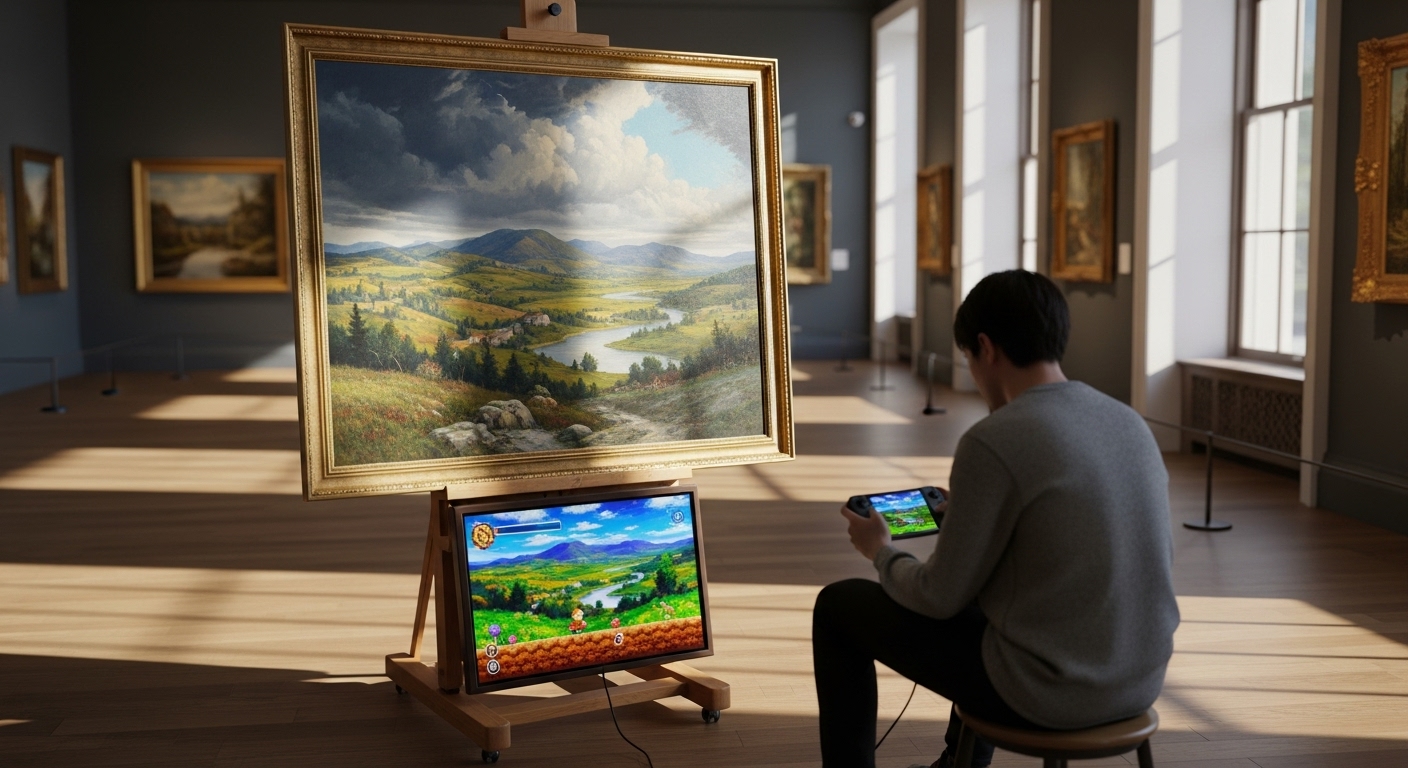
Video games have always been more than just entertainment. They are a form of art that combines storytelling, design, music, and player interaction into a cohesive experience. Unlike traditional forms of art, games offer interactivity—players are not just observers but participants in the creative vision. Over the years, developers have pushed the boundaries of what games can achieve, blending artistic expression with engaging gameplay to create unforgettable experiences.
When art and gameplay come together seamlessly, the result is something magical. These games are not only fun to play but also emotionally and visually captivating, leaving lasting impressions long after the controller is set down. In this blog, we will explore some of the best games that mix art and gameplay, examining how they merge creativity and interactivity into masterpieces.
The Role of Art in Gaming
Art in gaming goes beyond stunning visuals. It encompasses:
- Visual Style: From hand-painted environments to minimalist designs, the artistic style sets the tone and mood.
- Storytelling: Art can enhance narrative by visually communicating themes and emotions.
- World-Building: The art direction defines the atmosphere, making worlds feel alive and believable.
- Music and Sound: Sound design and music also form part of a game’s artistry, heightening immersion.
- Gameplay Integration: The best games weave artistic choices directly into gameplay mechanics, creating harmony between how a game looks, feels, and plays.
Journey
Journey is often cited as one of the most artistic games ever created. Its minimalist storytelling, breathtaking visuals, and emotional soundtrack come together to craft an unforgettable experience. Players control a robed figure traveling across vast deserts, climbing mountains, and exploring ancient ruins.
The game relies on visual storytelling rather than dialogue, using its artistic design to convey emotion and meaning. The gameplay itself is simple—walking, gliding, and occasionally solving puzzles—but it is the art direction that makes every moment memorable.
Journey demonstrates how games can function as interactive art pieces, creating an emotional connection without needing traditional mechanics or dialogue.
Shadow of the Colossus
Shadow of the Colossus is a masterpiece that blends minimalistic storytelling with monumental scale. Players take on the role of a young warrior tasked with defeating giant colossi across a vast, desolate landscape.
The art direction is hauntingly beautiful, with sprawling landscapes, towering enemies, and a subdued color palette that emphasizes loneliness and mystery. Each colossus is a moving piece of art, designed with intricate detail and animation.
Gameplay and art are intertwined—players feel awe and guilt with every battle, as the game raises questions about sacrifice and morality. The artistic vision is inseparable from the player’s journey, making it one of the greatest examples of games that combine art with gameplay.
Gris
Gris is a visually stunning platformer that feels like stepping into a watercolor painting. Its hand-drawn art style, combined with a delicate soundtrack, creates an emotional journey through grief and recovery.
Players control a young girl navigating a collapsing world, gradually unlocking new abilities as she regains strength. Each stage introduces new colors, symbolizing emotional progress. The gameplay is tightly connected to the artistic design, with puzzles and mechanics reflecting the protagonist’s inner struggles.
The beauty of Gris lies in its ability to convey deep emotions purely through art and gameplay, without relying on dialogue or exposition.
Ori and the Blind Forest / Ori and the Will of the Wisps
The Ori series is known for its breathtaking visuals, heartfelt storytelling, and fluid gameplay. Both Ori and the Blind Forest and its sequel Ori and the Will of the Wisps combine hand-painted environments, expressive animation, and a stirring orchestral score.
The games follow Ori, a small guardian spirit, on an emotional journey through a mystical forest. The platforming mechanics are challenging yet rewarding, perfectly balanced with the artistic presentation. The lush environments, glowing colors, and emotional soundtrack create a dreamlike atmosphere that draws players in completely.
Few games achieve the same harmony between art and gameplay as the Ori series, making them standout examples of interactive art.
Okami
Okami is a game deeply rooted in artistic tradition. Inspired by Japanese ink painting and mythology, it tells the story of Amaterasu, a wolf goddess who restores life to a cursed land.
The art style is cel-shaded to resemble brushstrokes, and gameplay incorporates painting mechanics. Players use the “Celestial Brush” to draw symbols that influence the world, such as creating wind, restoring nature, or defeating enemies.
This direct integration of artistic tools into gameplay makes Okami a truly unique experience. The game does not just feature art—it makes the act of painting central to how players interact with the world.
Inside
Inside is a puzzle-platformer that relies heavily on atmosphere and artistic direction to immerse players. With its dark, muted visuals and haunting sound design, it creates a dystopian world filled with mystery and danger.
Gameplay is simple yet impactful, as players guide a boy through perilous environments filled with puzzles and hidden meanings. The art direction enhances the tension, with lighting and animation playing a critical role in storytelling.
Inside shows how minimalism and subtlety in art can amplify gameplay, creating a powerful and unsettling experience.
Cuphead
Cuphead stands out for its unique art style inspired by 1930s cartoons. The hand-drawn animations, vintage music, and whimsical design create a nostalgic yet fresh experience.
The game is a challenging run-and-gun shooter where players face off against imaginative bosses. Its difficulty is balanced by its irresistible charm, with every character and background designed as though lifted from classic animation.
In Cuphead, the gameplay is inseparable from the art—players are immersed in a living cartoon, making each victory feel like completing a handcrafted masterpiece.
Limbo
From the creators of Inside, Limbo is another game that brilliantly merges art and gameplay. With its monochromatic visuals and eerie atmosphere, it creates a sense of mystery and unease.
Players control a boy navigating a dangerous world filled with puzzles and traps. The minimalist design enhances the feeling of isolation, while the lack of dialogue forces players to interpret the story through visuals alone.
The simplicity of Limbo proves that games do not need complex graphics to be artistic. Its visual storytelling and gameplay work together to create a haunting, unforgettable experience.
The Legend of Zelda: Breath of the Wild
While The Legend of Zelda series has always been artistically ambitious, Breath of the Wild took things to new heights. Its open-world design blends exploration, artistry, and interactivity into one cohesive experience.
The game’s art direction combines painterly landscapes with a sense of scale and freedom rarely seen in gaming. Players are free to explore vast mountains, forests, and ruins, each crafted with attention to detail and atmosphere.
Gameplay and art merge seamlessly, as every mechanic—from climbing cliffs to gliding across valleys—feels like part of the artistic design. Breath of the Wild is as much about appreciating beauty as it is about adventure.
Hollow Knight
Hollow Knight is an indie masterpiece that combines hauntingly beautiful art with challenging gameplay. Set in the underground kingdom of Hallownest, the game features hand-drawn visuals and a moody, atmospheric soundtrack.
Players explore interconnected environments, battling enemies and uncovering secrets. The art direction enhances the mysterious and melancholic tone, making every discovery feel significant.
The synergy between the game’s challenging mechanics and its somber artistic presentation creates an experience that is both rewarding and emotionally resonant.
Firewatch
Firewatch is a narrative-driven game set in the Wyoming wilderness. Its art style, characterized by warm colors and stylized landscapes, creates a sense of serenity and isolation.
Players take on the role of a fire lookout named Henry, exploring the forest while uncovering a mysterious story through dialogue with a colleague over the radio. The gameplay is simple, but the art direction transforms exploration into a meditative experience.
By combining stunning visuals with emotional storytelling, Firewatch shows how art and gameplay can come together to create an immersive narrative journey.
Braid
Braid is a puzzle-platformer known for its beautiful art and innovative gameplay mechanics. Each world is presented like a painting, with vibrant colors and surreal landscapes.
The gameplay revolves around time manipulation, allowing players to rewind and alter their actions to solve puzzles. This mechanic ties directly into the game’s themes of regret and reflection.
The integration of artistic visuals, thoughtful storytelling, and inventive gameplay mechanics makes Braid a standout example of games as art.
Monument Valley
Monument Valley is a mobile puzzle game that exemplifies how art and gameplay can merge. Inspired by optical illusions and impossible architecture, its levels are designed like interactive works of art.
Players guide a character through surreal landscapes, manipulating the environment to reveal hidden paths. The minimalist design and soothing music create a calming yet engaging experience.
Its success highlights how even small-scale games can achieve artistic brilliance when design and gameplay are perfectly aligned.
Why These Games Stand Out
The games highlighted above stand out because they go beyond entertainment. They immerse players in experiences where art and gameplay are inseparable. Their worlds feel alive, their mechanics enhance their themes, and their visuals leave lasting impressions.
What unites these titles is their ability to:
- Use art to elevate gameplay mechanics.
- Create emotional connections through visual storytelling.
- Offer experiences that resonate long after the game is finished.
The Future of Art in Gaming
As technology continues to evolve, the relationship between art and gameplay will deepen. Game engines now allow for unprecedented visual fidelity, while indie developers continue to innovate with creative styles and mechanics. Virtual reality and augmented reality also open new possibilities for blending art and interactivity.
The future will likely see more games that blur the line between art and play, offering experiences that are as meaningful as they are entertaining.
Conclusion
Video games have proven themselves as a powerful medium for artistic expression. The best games that mix art and gameplay—such as Journey, Gris, Ori, Okami, and many others—show that gaming can be both visually stunning and deeply engaging. These titles remind us that games are not just about winning or losing but about experiencing worlds, emotions, and stories in ways no other medium can offer.
As more developers embrace the fusion of art and gameplay, players can look forward to even more masterpieces that redefine what it means to play a game.