
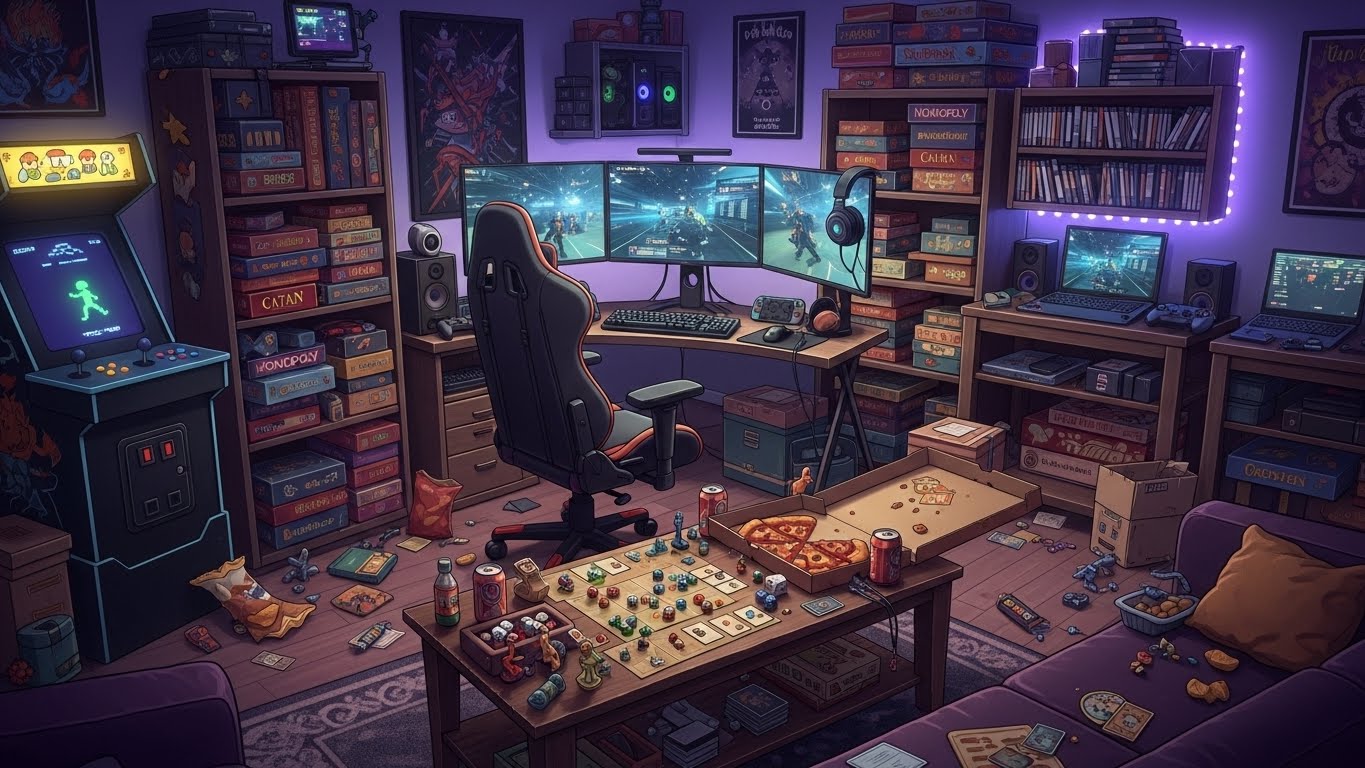
In a world where video games are an ever-present form of entertainment, the gaming landscape continues to evolve and surprise us. While some games follow well-established formulas, others boldly break the mold, offering experiences that are unlike anything we’ve seen before. These unique games stand out for their originality, creativity, and ability to challenge players in new ways. In this blog post, we’ll take a deep dive into some of the most unique games in recent years, exploring what makes them stand apart from the crowd.
What Makes a Game “Unique”?
Before we dive into specific examples, it’s important to understand what exactly makes a game unique. While “unique” can be subjective, there are certain characteristics that generally make a game stand out:
- Innovative Gameplay: Games that introduce new mechanics or reimagine old ones in fresh ways often catch our attention.
- Artistic Direction: A unique visual or narrative style can make a game feel like a piece of art rather than just a form of entertainment.
- Immersive Worlds: Games that transport players to unusual or highly detailed worlds offer experiences that are not easily replicated.
- Narrative Structure: Many unique games present stories in unconventional ways, creating an emotional connection through unexpected twists, non-linear progression, or even player-driven narratives.
- Experimental Mechanics: These games experiment with unconventional controls, interfaces, or interactions that challenge the player’s understanding of how games should work.
In the next sections, we’ll explore some examples of games that embody these elements, offering players a truly unique experience.
Journey: A Masterpiece of Visual Storytelling
One of the most iconic examples of a unique game is Journey, developed by Thatgamecompany and released in 2012. This beautiful, visually stunning game redefined how players can experience interactive art.
Journey is a short, wordless experience that revolves around a lone traveler navigating a vast desert landscape. The game’s simplicity is part of its genius, as it uses music, environment, and minimalistic gameplay mechanics to tell a powerful emotional story. What truly sets Journey apart is its multiplayer component, where players can unexpectedly encounter other anonymous players. These interactions, though brief and limited to non-verbal communication, create an emotional bond that is unlike any other online interaction.
What makes Journey so unique is its ability to evoke emotion without relying on traditional storytelling methods. Instead of dialogue or complex narratives, the game focuses on visual and auditory elements to communicate feelings of solitude, wonder, and companionship. It’s an experience that leaves a lasting impression, often prompting players to reflect on its meaning long after the game is over.
Inside: A Dark Puzzle Adventure
Another example of a unique game is Inside, developed by Playdead. Known for its predecessor, Limbo, Playdead continued to refine their craft with Inside, which blends platforming, puzzle-solving, and atmospheric horror into a seamless narrative experience.
Set in a dystopian world, Inside follows a boy as he navigates a series of increasingly bizarre and dangerous environments. The game is distinguished by its minimalist design, which eschews any form of dialogue or text. The story is told entirely through visual cues, environmental storytelling, and the player’s actions. This level of restraint creates a haunting and mysterious atmosphere that leaves much of the narrative up to interpretation.
The puzzles in Inside are cleverly designed, requiring both logical thinking and quick reflexes. As the game progresses, the puzzles become more complex, introducing new mechanics and interactions that keep the gameplay fresh and challenging. The use of shadows, light, and a muted color palette heightens the sense of foreboding, while the subtle, but impactful, soundtrack enhances the eerie ambiance.
What makes Inside truly unique is how it weaves a narrative through a minimalist design, forcing players to pay close attention to their surroundings. Every object, every environmental detail, feels purposeful, contributing to the overall story in ways that are not immediately obvious.
Outer Wilds: A Mind-Bending Exploration of the Cosmos
For those who enjoy science fiction and exploration, Outer Wilds is a game that offers a truly unique experience. Developed by Mobius Digital, this critically acclaimed title offers players a chance to explore a miniature solar system that loops every 22 minutes.
At its core, Outer Wilds is an exploration game where players assume the role of an astronaut in a small, open-world universe. The goal is to uncover the mysteries of the solar system, which is in the midst of a repeating time loop. What sets Outer Wilds apart from other space exploration games is its emphasis on discovery rather than combat. There are no enemies to fight, no overarching quest to complete—only the thrill of uncovering secrets, solving puzzles, and experiencing the wonder of the universe.
What makes Outer Wilds particularly unique is its time-loop mechanic. Every 22 minutes, the solar system resets, and everything is destroyed. Players are tasked with piecing together the history of the system before time runs out, and each loop allows players to learn something new. This mechanic creates a sense of urgency and discovery, as players work to unlock the mysteries of the solar system, each time loop providing a new piece of the puzzle.
The game’s hand-crafted environments, immersive soundtrack, and deep sense of wonder make it a one-of-a-kind experience. Outer Wilds is an example of a game that defies traditional expectations, offering players a rich, thought-provoking experience without relying on combat or traditional progression systems.
The Stanley Parable: A Narrative Experiment
For players who enjoy philosophical exploration and narrative-driven experiences, The Stanley Parable is an essential title. Developed by Davey Wreden and William Pugh, this game is a fascinating commentary on choice, free will, and the nature of video game storytelling.
At the outset, players assume the role of Stanley, an office worker who discovers that his coworkers have mysteriously disappeared. The player is then guided by a narrator, who offers commentary on the events that unfold. The twist? The player can choose whether to follow the narrator’s instructions or completely ignore them, leading to a variety of different outcomes.
The Stanley Parable is unique because it plays with the very concept of player choice in video games. It’s a meta-narrative that explores how we interact with games and the idea of “choice” in a medium where outcomes are often predetermined. The game contains multiple endings, each of which offers a different perspective on the story, depending on the player’s decisions.
What makes The Stanley Parable stand out is its ability to be both hilarious and thought-provoking. The choices the player makes often lead to absurd, unexpected outcomes that challenge the conventions of traditional video games. It’s a game that encourages players to question their role as the protagonist and the nature of the narratives they are consuming.
What Lies Ahead for Unique Games?
The future of unique games is bright, with indie developers continuing to push the boundaries of what is possible in the gaming industry. Thanks to advancements in technology, game development tools, and a growing indie scene, more games are emerging that are challenging traditional norms and offering fresh, innovative experiences.
We can expect to see more games that experiment with unconventional mechanics, visual styles, and narratives. Whether it’s through the use of procedural generation, virtual reality, or interactive storytelling, the possibilities for unique gaming experiences are virtually limitless.
Conclusion: The Power of Unique Games
In a world filled with mainstream titles, it’s the unique games that often leave the most lasting impression. Whether it’s through innovative gameplay, breathtaking visuals, or thought-provoking narratives, these games offer something that goes beyond mere entertainment. They provide experiences that resonate with players long after the game is over, sparking conversations, reflections, and emotions.
The beauty of unique games is that they remind us of the endless possibilities of the medium. They challenge our expectations, break down conventions, and inspire us to think differently about what video games can be. As the gaming industry continues to evolve, one thing is certain: there will always be room for games that are daring, experimental, and—most importantly—unique.