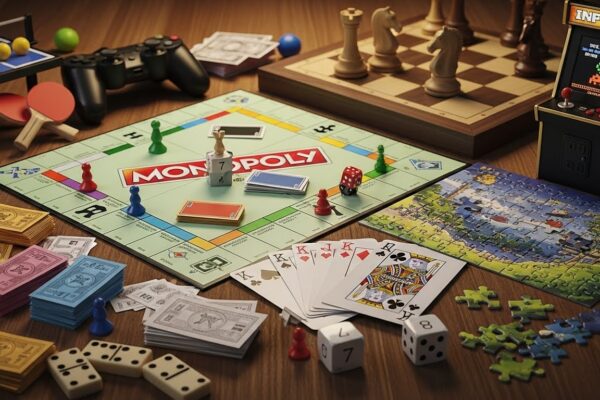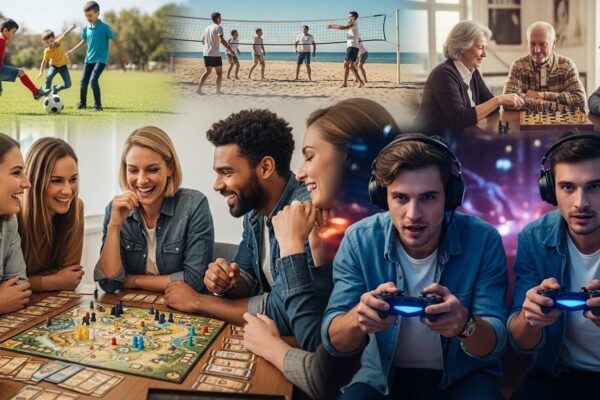
Games are more than a source of entertainment. They are a reflection of human creativity, competition, curiosity, and connection. From ancient board games carved in stone to immersive digital worlds powered by advanced technology, games have continuously evolved alongside civilization. They shape how we think, how we interact with others, and how we experience joy, challenge, and achievement. In today’s world, games influence culture, education, social behavior, and even professional careers.
Understanding What Games Truly Are
At their core, games are structured forms of play. They involve rules, goals, challenges, and interaction. Whether physical or digital, games encourage participation and engagement. Unlike passive forms of entertainment, games require players to think, act, decide, and adapt.
Games exist in many forms, including traditional board games, outdoor sports, puzzles, card games, and modern video games. Each type offers a unique experience, yet all share a common purpose: to stimulate the mind and provide enjoyment.
A Journey Through the History of Games
Games have existed since ancient times. Early civilizations used games for education, strategy training, and social bonding. Ancient Egyptians played board games to represent life journeys, while ancient Greeks used competitive games to celebrate physical excellence.
The industrial age introduced mass-produced games, making them accessible to more people. Later, the digital revolution transformed gaming completely. The introduction of computers and consoles in the late twentieth century gave birth to video games, opening doors to entirely new worlds of play.
The Rise of Digital and Video Games
Video games changed the meaning of gaming forever. Early arcade games were simple, yet revolutionary. They introduced interactive entertainment that responded directly to player actions. Over time, technology allowed games to become more complex, story-driven, and visually stunning.
Modern video games combine advanced graphics, realistic physics, music, voice acting, and deep narratives. Players can explore massive open worlds, make meaningful choices, and experience emotional stories that rival films and novels. Gaming has become an immersive experience rather than just a pastime.
Different Types of Games and Their Appeal
Traditional and Board Games
Board games and card games remain popular because they encourage face-to-face interaction. These games promote strategic thinking, patience, and communication. Families and friends often gather around these games, strengthening relationships through shared experiences.
Sports and Physical Games
Physical games and sports challenge the body and mind. They promote teamwork, discipline, and physical health. Sports games also foster community pride and friendly competition, making them an essential part of cultures worldwide.
Video and Console Games
Console and computer games offer immersive experiences across various genres. Action games test reflexes, role-playing games focus on storytelling, strategy games challenge decision-making, and simulation games mirror real-world activities. This diversity ensures there is a game for every type of player.
Mobile Games
Mobile games have expanded gaming to a broader audience. Easy access and simple controls allow people to play anywhere and anytime. These games are often designed for short sessions, making them perfect for casual entertainment while still being engaging.
The Psychology Behind Why People Play Games
Games are designed to satisfy psychological needs. They provide challenges that push players to improve skills. Rewards and achievements trigger a sense of accomplishment. Progress systems encourage motivation and persistence.
Games also offer a sense of control and escape. In virtual environments, players can take risks, explore identities, and experience success without real-world consequences. This sense of agency is one of the strongest reasons games are so engaging and memorable.
Games as Tools for Learning and Skill Development
Games are powerful learning tools. Many games develop problem-solving skills, creativity, memory, and critical thinking. Strategy games teach planning and foresight, while puzzle games improve logic and reasoning.
Educational games are increasingly used in schools and training programs. They transform learning into an interactive experience, making complex concepts easier to understand. Simulation games allow players to practice real-life skills in safe, controlled environments.
Social Connection Through Games
Games bring people together. Multiplayer games encourage teamwork, cooperation, and communication. Players from different cultures and backgrounds connect through shared goals and challenges.
Online gaming communities allow friendships to form across continents. Even competitive games foster respect, collaboration, and sportsmanship. Games create spaces where people can belong, interact, and support one another.
Competitive Gaming and the Growth of Esports
Competitive gaming has transformed games into a professional industry. Skilled players compete in tournaments watched by millions. Esports requires discipline, practice, teamwork, and strategic thinking.
Beyond players, esports has created careers in coaching, analysis, event organization, and content creation. This growth shows how games can evolve from simple fun into legitimate professions and global entertainment.
The Artistic Side of Games
Games are increasingly recognized as art. They blend visual design, storytelling, music, and interactivity into unique experiences. Artistic games explore emotions, philosophy, and human relationships in ways no other medium can.
Unlike movies or books, games allow players to participate in the story. Player choices influence outcomes, making each experience personal. This interactive storytelling is what sets games apart as a powerful artistic medium.
Technology and Innovation in Gaming
Technology drives the evolution of games. Advances in graphics create realistic environments. Artificial intelligence makes characters smarter and worlds more dynamic. Virtual reality and augmented reality offer immersive experiences that blur the line between digital and physical spaces.
Cloud technology allows players to access games without expensive hardware, making gaming more inclusive. As technology continues to improve, games will become even more accessible, realistic, and engaging.
The Impact of Games on Mental Health
Games can positively impact mental health when played in balance. They reduce stress, improve focus, and provide emotional relief. Cooperative games encourage teamwork and social interaction, helping reduce feelings of loneliness.
However, excessive gaming can lead to unhealthy habits. Balance, awareness, and responsible play are essential. When used mindfully, games become tools for relaxation, growth, and emotional expression.
Games and Cultural Influence
Games influence music, fashion, storytelling, and language. Iconic characters and game worlds become part of popular culture. Games also reflect societal themes, addressing topics like morality, identity, and survival.
At the same time, games preserve culture by retelling myths, history, and traditions in interactive formats. They act as digital storytelling tools that pass knowledge across generations.
The Future of Games
The future of games is full of potential. Artificial intelligence will create personalized experiences. Virtual worlds will become more social and immersive. Games may merge with education, work, and communication, becoming central platforms for human interaction.
As boundaries between reality and digital spaces continue to blur, games will not just entertain but also inspire creativity, learning, and collaboration on a global scale.
Conclusion
Games are far more than play. They are experiences that challenge the mind, connect people, and inspire creativity. They teach us resilience through failure, joy through success, and cooperation through shared goals.
From ancient times to modern digital worlds, games have remained a fundamental part of human life. As technology advances and creativity expands, games will continue to shape culture, education, and social connection.