
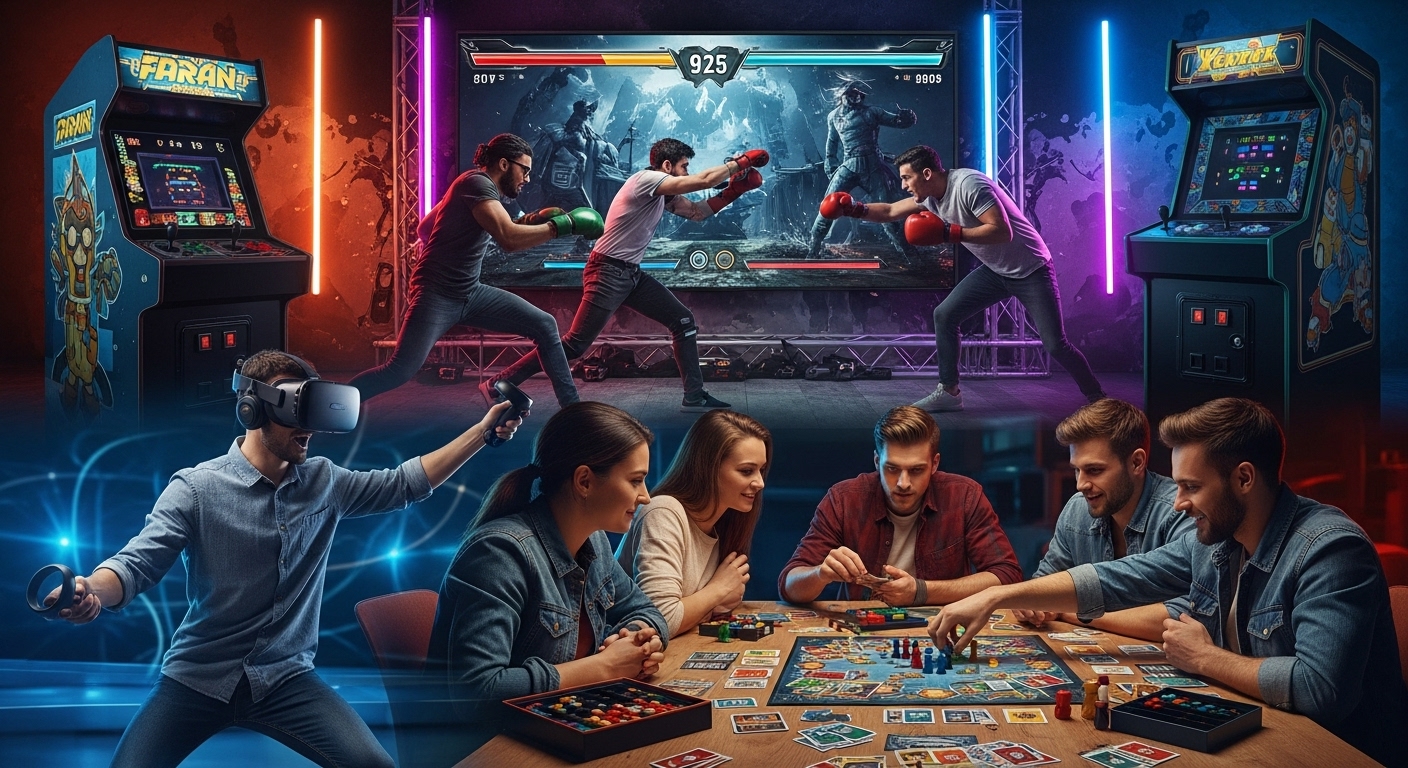
Introduction: The Universal Language of Games
Games have been part of human culture for thousands of years, long before digital screens and modern consoles existed. From ancient board games carved into stone to the immersive virtual worlds of today, games have remained a constant form of joy, challenge, and connection. They transcend language, geography, and age, acting as a universal form of entertainment that speaks directly to our emotions and imagination.
In the modern world, games are more than just a pastime. They are a thriving industry, a powerful educational tool, a social bridge, and a form of artistic expression. Whether played casually on a phone or competitively in a virtual arena, games continue to evolve alongside technology and society, shaping how people learn, play, and connect. This blog explores the impact, evolution, culture, and future of games, highlighting why they hold such an important place in our lives.
The Evolution of Games: From Stones and Sticks to Screens and Systems
The story of games begins in ancient history. Early civilizations created board games to pass time, build strategy, and strengthen social bonds. Games like chess, Go, and mancala emerged as intellectual challenges that remain loved today. The simplicity of these early games did not limit their depth. Instead, they proved that the human desire for structured play is timeless.
The twentieth century witnessed the rise of electronic gaming. Arcade machines introduced fast reflex challenges, while home consoles turned living rooms into entertainment hubs. The first generation of digital games featured simple graphics and mechanics, yet they sparked a revolution that reshaped how people interact with technology.
As technology advanced, so did games. The introduction of powerful computers, online connectivity, and advanced graphics engines turned gaming into a multi-sensory experience. Players could now explore open worlds, engage in realistic simulations, and connect with others globally. Today, games range from highly cinematic adventures to complex strategy titles and experimental indie projects, creating a diverse ecosystem of experiences for every type of player.
Why People Play: The Psychology Behind Gaming
Games captivate millions because they fulfill several fundamental human needs. The first is the need for challenge. Games provide structured obstacles that push players to think, adapt, and improve. Achievements, levels, and rewards offer a sense of accomplishment that boosts confidence and keeps players engaged.
Another reason is escapism. Games allow people to step into different worlds, roles, and narratives, providing temporary relief from daily pressures. Whether exploring a magical forest or piloting a spaceship, players experience a break from reality while engaging their imagination.
Social connection is also a major factor. Games bring people together, whether through cooperative missions, friendly competition, or shared online communities. Even single-player games spark conversations, theories, and fan cultures that unite players around common interests.
Lastly, games support creativity and self-expression. Many modern games allow players to build worlds, customize characters, and make choices that shape the story. This interactive storytelling empowers players to become co-creators rather than passive observers.
The Diverse Forms of Games: Something for Everyone
One of the greatest strengths of gaming is its diversity. Today’s game landscape is filled with genres that cater to different tastes and preferences.
Action games test reflexes and quick thinking. Strategy games require planning, patience, and resource management. Role-playing games let players step into the shoes of characters and experience rich narratives. Simulation games recreate real-world activities, from farming to city building. Puzzle games challenge logic and problem-solving skills, providing mental exercise disguised as fun.
Beyond digital formats, traditional games remain popular. Board games, card games, and tabletop experiences continue to thrive, attracting people who enjoy face-to-face interaction and strategic depth. The recent resurgence of tabletop games proves that games do not need screens to be engaging and meaningful.
This diversity ensures that gaming is inclusive. Children, adults, and seniors can all find games that suit their preferences and abilities. Whether someone has a few minutes to spare or several hours to dedicate, there is always a game designed for their lifestyle.
The Social Impact of Games: Building Communities and Friendships
While games are often enjoyed individually, their social impact is immense. Online multiplayer games have created vast digital worlds where players from different countries and backgrounds work together, form teams, and build friendships. These interactions often lead to strong bonds, as shared victories and challenges foster trust and teamwork.
Gaming communities extend beyond the games themselves. Forums, fan groups, and social platforms allow players to share strategies, discuss storylines, and celebrate their favorite titles. These communities provide a sense of belonging that resonates with players of all ages.
Games have also become powerful tools for communication. Families separated by distance can play together, creating shared moments despite physical barriers. Friends can stay connected through cooperative adventures, strengthening relationships in meaningful ways.
Educational Power: How Games Teach Beyond the Classroom
Games are often misunderstood as distractions, but research has shown that they can support learning in profound ways. Educational games help students grasp complex concepts by turning learning into play. Subjects like math, science, and history become interactive experiences, making lessons more engaging and memorable.
Even games that are not designed for education still teach valuable skills. Strategy games improve critical thinking and decision-making. Puzzle games sharpen memory and attention. Cooperative games encourage communication, leadership, and collaboration.
Games also promote resilience. Players learn to face failure, adapt strategies, and try again. This mindset, known as a growth mindset, is essential for success in both academic and real-world environments.
The Art of Games: Storytelling, Music, and Visual Design
Modern games are not just entertainment. They are artistic masterpieces that blend storytelling, visual creativity, sound design, and technology. Many games feature rich narratives that rival books and films, drawing players into emotional journeys filled with complex characters and meaningful themes.
Visual design plays a crucial role in shaping game worlds. From hand-drawn indie titles to hyper-realistic environments, games showcase artistic styles that spark imagination and influence pop culture.
Music is another powerful element. Game soundtracks enhance emotion, tension, and pacing. Iconic themes become timeless memories that stay with players long after the game ends.
This fusion of art forms makes games one of the most dynamic creative mediums of our time.
The Game Industry: A Global Powerhouse
The gaming industry has grown into one of the largest entertainment sectors in the world. It surpasses film and music in revenue, driven by technological innovation and global audiences. Game developers, designers, artists, and engineers collaborate to create experiences enjoyed by millions.
This industry also supports careers in marketing, animation, esports management, voice acting, testing, and more. The demand for skilled professionals continues to rise, making gaming a major contributor to the economy.
Indie developers have also gained prominence. With creativity and passion, small teams create unique games that challenge conventions and explore new ideas. These indie creations add depth and diversity to the gaming landscape.
Challenges in Gaming: Addressing Concerns
Like any major industry, gaming faces challenges. Issues like excessive screen time, online toxicity, and game addiction require attention and responsible solutions. Game companies and communities are working to promote healthy play habits, encouraging balance and moderation.
Cybersecurity and fair play are also important. Developers use advanced systems to prevent hacking and protect player information, ensuring safe and fair gaming environments.
Responsible gaming practices, parental guidance tools, and community moderation efforts continue to improve the overall experience, supporting a healthier and more inclusive gaming culture.
The Future of Games: Innovation, Immersion, and Endless Possibilities
The future of games is filled with exciting possibilities. Advances in virtual reality and augmented reality promise deeper immersion, allowing players to step directly into game worlds. Artificial intelligence will create smarter characters and more dynamic environments. Cloud gaming will make high-quality games accessible without expensive hardware.
As technology evolves, games will continue to blur the lines between reality and imagination. They will become more personalized, adaptive, and interactive, offering experiences tailored to each player’s preferences and abilities.
The next generation of games will not only entertain but also inspire creativity, support education, and strengthen global connections.
Conclusion: More Than Play, Games Are a Way of Life
Games have come a long way from their humble beginnings. They entertain, educate, and connect people in ways that few other mediums can achieve. They provide worlds to explore, challenges to overcome, and stories to experience. Most importantly, they remind us of the joy of play, the thrill of discovery, and the power of imagination.
In a fast-paced world, games offer a space where people can relax, grow, connect, and dream. Whether digital or traditional, simple or complex, games will always remain a cherished part of human culture, shaping minds and inspiring generations for years to come.