Introduction to the World of Games
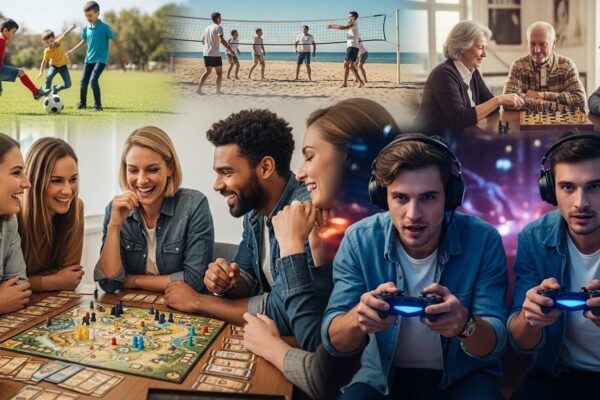
Games have always been a part of human culture, existing long before the digital age. From ancient board games carved into stone to high-definition digital worlds on modern consoles, gaming has evolved into one of the most influential forms of entertainment and creativity. The world of games is not just about fun; it is about exploration, imagination, learning, and connection. In today’s fast-paced digital environment, games have become a medium that bridges generations, cultures, and technologies, offering something for everyone.
The Historical Journey of Games
The history of games stretches back thousands of years. Ancient civilizations played games like Senet in Egypt, Go in China, and Mancala in Africa. These early forms of play were not merely for amusement—they often held cultural, social, and even religious significance. Games taught strategy, patience, and community interaction.
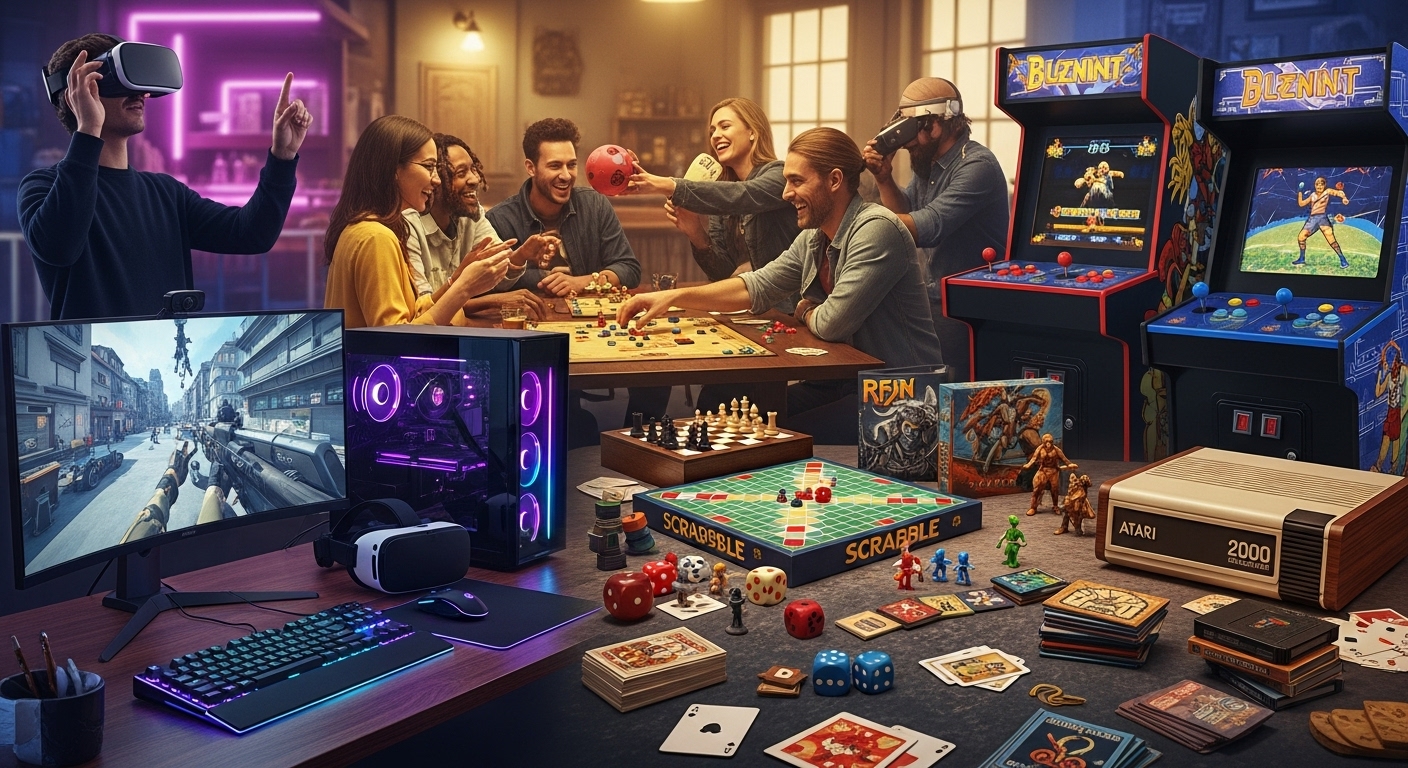
As societies evolved, so did games. The 20th century introduced physical board games such as Monopoly, Scrabble, and Chess variants that encouraged critical thinking and social interaction. Then came the digital revolution of the late 20th century, when video games emerged as a completely new form of entertainment. Titles like Pong, Space Invaders, and Pac-Man laid the foundation for an industry that would soon dominate global culture.
The Digital Revolution of Gaming
The arrival of computers and consoles in the late 1970s and early 1980s changed gaming forever. Games moved from physical spaces to digital screens, introducing dynamic visuals, sound effects, and interactivity that traditional games could not match. The introduction of home consoles such as the Atari, Nintendo Entertainment System, and Sega Genesis brought video games into households worldwide.
By the 1990s, gaming had evolved further with 3D graphics, immersive storytelling, and iconic characters like Mario, Sonic, and Lara Croft. The era of personal computers also gave rise to genres like strategy, simulation, and role-playing games. The ability to save progress, customize characters, and explore open worlds made gaming more personal and engaging than ever before.
The Rise of Online and Multiplayer Gaming
One of the most significant transformations in gaming history has been the rise of online and multiplayer experiences. In the early 2000s, as internet connectivity improved, players began connecting with others across the world. Online games introduced new social dynamics where collaboration, competition, and communication became central to the gaming experience.
Massively multiplayer online games (MMOs) like World of Warcraft and Runescape created virtual worlds that lived and breathed with player interaction. These games fostered digital communities, friendships, and even economies that mirrored real life. Multiplayer shooters, racing games, and sports simulations further expanded the reach of online gaming, turning it into a global phenomenon.
The Role of Technology in Game Development
Modern game development is deeply tied to technological innovation. Advanced graphics engines, artificial intelligence, and virtual reality have taken gaming experiences to new heights. Game developers now craft visually stunning worlds filled with lifelike characters and realistic physics.
Artificial intelligence plays a crucial role in shaping gameplay, creating smarter enemies, adaptive challenges, and personalized player experiences. Meanwhile, motion capture technology allows real human movements and expressions to be brought to life in digital form, adding emotional depth and realism.
The integration of virtual reality (VR) and augmented reality (AR) has pushed the boundaries of immersion even further. VR games allow players to step into other worlds, while AR blends digital elements with the real world. These technologies have opened up new ways to experience storytelling, education, and entertainment through games.
The Mobile Gaming Revolution
The rise of smartphones has made gaming more accessible than ever. Mobile gaming has transformed the industry by placing entire worlds of entertainment in the palm of your hand. Casual games like Candy Crush, Subway Surfers, and Clash of Clans became global sensations, attracting millions of players who might not consider themselves traditional gamers.
Mobile games are designed for convenience, allowing people to play anywhere, anytime. The simplicity of mobile interfaces and the variety of available titles make it the most inclusive gaming platform today. Moreover, mobile gaming has introduced innovative monetization models such as free-to-play with in-game purchases, which have reshaped the business side of the gaming industry.
The Art and Storytelling in Games
Modern games are more than just play—they are works of art. Game designers, artists, musicians, and writers collaborate to craft experiences that evoke emotion, provoke thought, and immerse players in rich storytelling. Games like The Last of Us, Red Dead Redemption, and Journey are celebrated for their cinematic qualities, deep narratives, and emotional resonance.
Storytelling in games allows players to become part of the narrative rather than mere spectators. Choices made during gameplay often influence the story’s direction and ending, giving players a sense of agency and personal connection. This interactive storytelling distinguishes games from other forms of media, creating a unique emotional bond between players and their virtual worlds.
The Social Impact of Gaming
Gaming has also become a powerful social force. It connects people from all walks of life, transcending geographical and cultural boundaries. Multiplayer games, online forums, and live streaming platforms have created global communities where players share experiences, strategies, and memories.
Beyond entertainment, games are used in education, healthcare, and training. Educational games make learning fun and interactive, while simulation games are used in professional fields such as aviation and medicine to develop real-world skills. In healthcare, specially designed games help patients recover motor skills or manage stress and anxiety.
The Rise of Esports and Competitive Gaming
Esports, or competitive gaming, has turned digital play into a professional sport. Players and teams compete in tournaments watched by millions of fans worldwide. Games like League of Legends, Counter-Strike, and Dota 2 have become global phenomena, offering large prize pools and sponsorships.
Esports has also contributed to the mainstream acceptance of gaming as a legitimate career. Professional gamers, commentators, and content creators have built successful careers in this space. Live streaming platforms and gaming events have turned players into celebrities and fostered a sense of community among fans.
The Importance of Diversity and Inclusion in Games
The gaming industry has grown more inclusive over the years, embracing diversity in both content and community. Game developers now strive to represent different cultures, genders, and perspectives within their stories. This inclusivity enriches the gaming experience and allows players from diverse backgrounds to see themselves reflected in the games they play.
Additionally, the industry is making strides toward accessibility. Games now include features for players with disabilities, such as customizable controls, colorblind modes, and text-to-speech options. These developments ensure that gaming remains an open and welcoming space for everyone.
The Psychology of Gaming
Psychologically, games fulfill several human needs—achievement, social connection, and relaxation. The sense of accomplishment from completing challenges or mastering skills can boost confidence and satisfaction. For many, gaming provides a form of escapism, offering relief from stress and a space for creativity.
However, balance is essential. As gaming becomes more immersive, concerns about addiction and overuse have emerged. Responsible gaming practices, time management, and community awareness are necessary to ensure that gaming remains a positive part of life rather than an overwhelming habit.
The Future of Games
The future of gaming looks limitless. With the rise of cloud gaming, players can stream games directly without the need for expensive hardware. Artificial intelligence will continue to shape dynamic worlds that adapt to player behavior, creating more personalized experiences.
The metaverse—a connected virtual space where players can work, play, and interact—represents the next great evolution in gaming. This concept promises a seamless blend of gaming, social interaction, and digital economies. The boundaries between the real and virtual worlds will continue to blur as technology advances.
Sustainability will also become a focus in future gaming. Developers are exploring ways to reduce the environmental impact of production and energy consumption, promoting eco-friendly gaming initiatives.
Conclusion: The Endless Power of Play
Games have evolved from simple forms of recreation into a powerful cultural, social, and technological force. They teach, connect, inspire, and entertain in ways no other medium can. The beauty of gaming lies in its diversity—there is a game for every personality, age, and interest. Whether it is a child learning through play, a professional competing in esports, or a storyteller creating new worlds, games continue to shape our world and our imaginations.
As we move deeper into the digital age, the power of play will only grow. Games will continue to challenge our creativity, enhance our skills, and connect us in ways that transcend boundaries. The world of games is infinite, and within it lies the purest expression of human curiosity, innovation, and joy.