
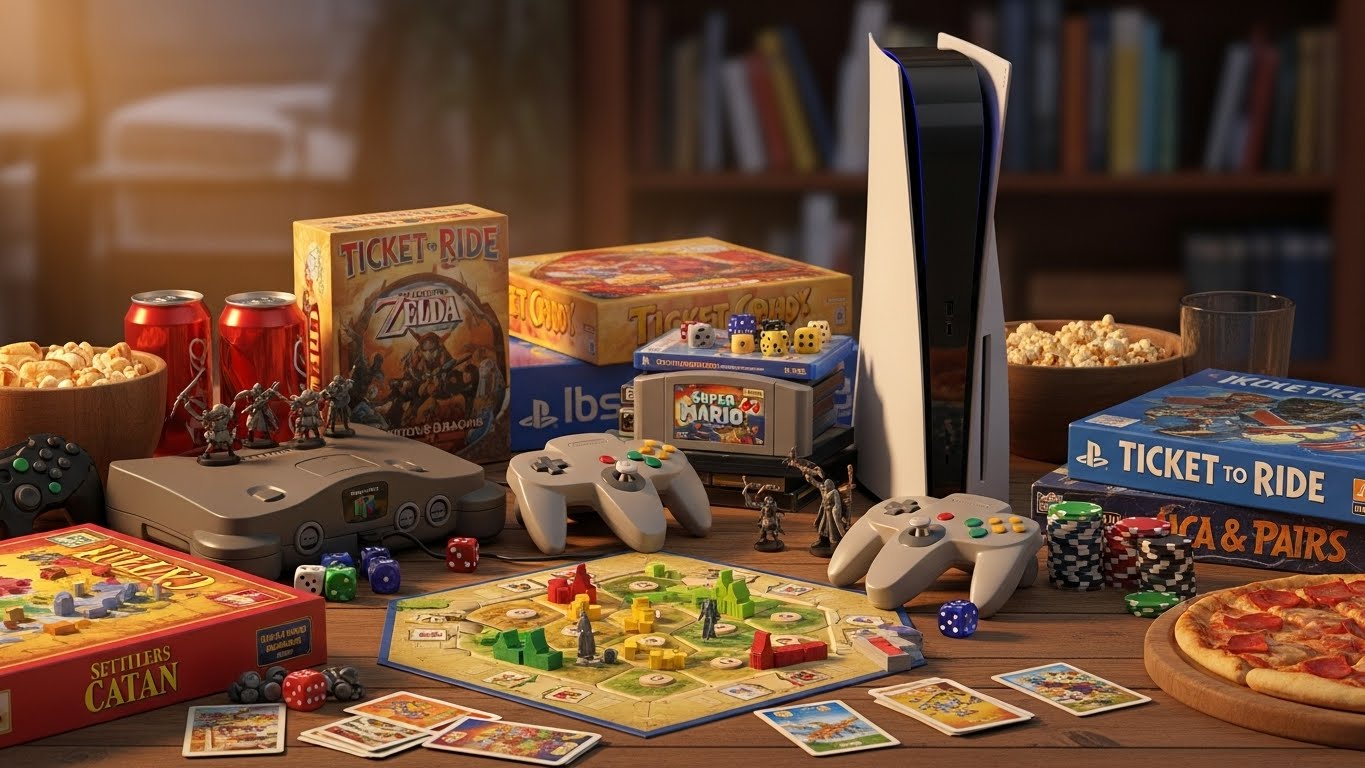
Introduction The Universal Appeal of Games
Games have been an integral part of human life since the earliest civilizations. From simple board games and traditional sports to sophisticated digital experiences, games provide entertainment, education, and social connection. They challenge the mind, foster creativity, and encourage collaboration, making them more than just a pastime. Games shape culture, influence technology, and offer opportunities for personal growth. In this blog, we will explore the fascinating world of games, their evolution, their impact on society, and why they continue to captivate millions around the globe.
The Origins of Games From Ancient Traditions to Modern Play
Games have existed in some form for thousands of years. Ancient societies used games to teach strategy, coordination, and social skills. Board games like Senet in Egypt or Go in China were designed to challenge the mind and provide recreation. Traditional sports like wrestling, archery, and ball games promoted physical fitness, competition, and community engagement.
These early games laid the foundation for modern play, combining skill, strategy, and fun. The human desire to challenge oneself and engage socially has remained a central theme in games throughout history, ensuring their continued relevance across generations.
Board Games The Classic Form of Strategy and Fun
Board games are among the oldest and most enduring forms of games. They combine strategy, luck, and social interaction. Games like Chess, Checkers, Monopoly, and Settlers of Catan have entertained people for decades, challenging both critical thinking and decision-making.
Board games create shared experiences, encouraging players to interact, negotiate, and compete. Beyond entertainment, they teach planning, foresight, and strategic thinking. In an increasingly digital world, board games remain a cherished form of social play, bridging generations and fostering connection.
Card Games A Blend of Strategy and Chance
Card games are another timeless form of entertainment. Games such as Poker, Bridge, Solitaire, and Uno combine skill, strategy, and luck. Players develop memory, probability assessment, and strategic decision-making while enjoying competitive or casual play.
Card games are versatile and portable, making them accessible for various settings, from family gatherings to competitive tournaments. They continue to evolve, with new variations and adaptations keeping players engaged and challenged.
Video Games The Digital Revolution in Play
The advent of digital technology transformed gaming. Video games introduced interactive worlds, immersive storytelling, and complex mechanics that were impossible in traditional formats. Early titles like Pong and Tetris paved the way for modern blockbusters like The Legend of Zelda, Fortnite, and Call of Duty.
Video games provide diverse experiences, from action and adventure to puzzles, simulations, and role-playing. They challenge reflexes, strategic thinking, and creativity, offering a level of engagement unmatched by other forms of entertainment. Digital games also foster global communities, connecting players across countries and cultures.
Mobile Gaming Making Play Accessible Everywhere
Mobile gaming has brought games to everyone with a smartphone. Casual games like Candy Crush, Angry Birds, and Clash of Clans appeal to broad audiences, while competitive titles like PUBG Mobile and Genshin Impact attract dedicated players.
Mobile games are convenient, allowing short, engaging sessions or longer immersive experiences. They break traditional barriers, making gaming accessible to diverse demographics and lifestyles. The growth of mobile gaming has made it one of the fastest-expanding sectors in the entertainment industry.
Sports Games Bridging Physical and Digital Worlds
Sports games, whether physical or digital, combine competition, skill, and excitement. Traditional sports like soccer, basketball, and tennis challenge physical abilities, teamwork, and strategy. Video game adaptations of sports, such as FIFA, NBA 2K, and Madden NFL, simulate these experiences digitally, allowing players to experience the thrill of competition from home.
Sports games emphasize strategy, reflexes, and coordination, whether on the field or in a virtual environment. They also foster a sense of community, with fans and players sharing experiences and building connections around shared passions.
Puzzle and Strategy Games Stimulating the Mind
Puzzle and strategy games challenge the brain, requiring problem-solving, critical thinking, and creativity. Titles like Sudoku, Tetris, Portal, and Civilization encourage players to think logically and plan ahead.
These games provide mental stimulation, improve focus, and encourage perseverance. They also offer a rewarding sense of accomplishment, as players overcome challenges and develop strategies to succeed. Puzzle and strategy games demonstrate that entertainment can simultaneously be fun and intellectually enriching.
Multiplayer and Online Gaming Social Play in the Digital Age
Online multiplayer games have revolutionized how people play. Players can now compete or collaborate with others around the world, forming communities, friendships, and rivalries. Titles like World of Warcraft, League of Legends, and Fortnite have thriving online ecosystems where teamwork and strategy are essential.
Online gaming fosters social skills, communication, and collaboration. It provides a sense of belonging and community, connecting players with similar interests and creating shared experiences that extend beyond the game itself.
Game Design The Art and Science Behind Play
Modern games are complex creations that blend art, storytelling, technology, and psychology. Game designers craft immersive worlds, engaging narratives, and balanced challenges that captivate players.
Successful games require creativity, innovation, and technical expertise. Designers consider gameplay mechanics, visuals, sound, and emotional engagement to create experiences that are enjoyable, memorable, and impactful. The artistry behind games highlights that they are not just entertainment but a form of cultural and creative expression.
The Educational Value of Games Learning Through Play
Games are powerful tools for learning. Educational games and simulations teach subjects ranging from math and science to history and language. Strategy games develop problem-solving and critical thinking skills, while role-playing games encourage creativity and empathy.
Even casual games can have educational benefits, improving memory, spatial awareness, and decision-making. By combining fun and learning, games provide a unique opportunity for personal growth and intellectual development.
Esports Competitive Gaming on a Global Stage
Esports has turned gaming into a professional and spectator sport. Players compete in organized tournaments for prizes, recognition, and careers. Games like Dota 2, Counter-Strike, and League of Legends have professional leagues and passionate fan bases.
Esports demands skill, strategy, and discipline. It has also created new industries, including coaching, streaming, broadcasting, and event management. The rise of esports demonstrates how gaming can be both recreational and professional, offering opportunities for talent and innovation.
Gaming Culture Influencing Society
Gaming has become a cultural phenomenon that shapes fashion, music, language, and social interactions. Characters, memes, and in-game events influence mainstream culture, and gaming communities foster creativity, collaboration, and shared identity.
Streaming platforms and content creators expand gaming culture further, providing entertainment, education, and social connection. Gaming culture emphasizes creativity, inclusivity, and collaboration, influencing broader societal trends in meaningful ways.
Health and Wellbeing in Gaming Balance and Responsibility
While gaming offers numerous benefits, it also requires balance. Excessive gameplay can lead to sedentary behavior, fatigue, and stress. Responsible gaming habits, including breaks, physical activity, and time management, ensure that play remains healthy and enjoyable.
When approached responsibly, gaming contributes to mental stimulation, relaxation, social interaction, and emotional wellbeing. It provides a safe space to explore challenges, develop skills, and achieve personal goals.
The Business of Games A Growing Global Industry
The gaming industry is one of the most lucrative entertainment sectors in the world. Revenue comes from game sales, in-game purchases, subscriptions, merchandise, and competitive events.
Beyond financial success, the industry drives technological innovation, creates career opportunities, and fosters creativity. Developers, designers, marketers, and event organizers all contribute to a dynamic ecosystem that continues to expand globally.
Challenges Facing the Gaming World
Despite its success, gaming faces challenges. Issues like online harassment, game addiction, copyright infringement, and cultural sensitivity require attention. Developers must balance monetization with ethical practices, and communities must promote inclusivity and respect.
Rapid technological change also demands constant innovation to meet player expectations. Overcoming these challenges is essential to ensuring sustainable growth and a positive gaming culture.
The Future of Games Innovation and Imagination
The future of games is filled with possibilities. Virtual reality, augmented reality, artificial intelligence, and cloud gaming will create more immersive and accessible experiences. Cross-platform play will connect players worldwide, while new genres and mechanics will redefine how people play.
Games will continue to evolve as a medium for storytelling, competition, and creativity. They will inspire, challenge, and connect people, reflecting the limitless potential of human imagination and technological innovation.
Conclusion Celebrating the Joy and Impact of Games
Games are more than entertainment. They are a reflection of culture, a platform for creativity, a tool for learning, and a medium for social connection. From traditional board games to immersive digital worlds, from casual mobile play to professional esports, games offer experiences that are challenging, rewarding, and transformative.
As technology advances and creativity flourishes, the world of games will continue to captivate generations. Games inspire imagination, strengthen skills, and connect people, proving that play is not just a pastime but a fundamental part of the human experience.