
Introduction
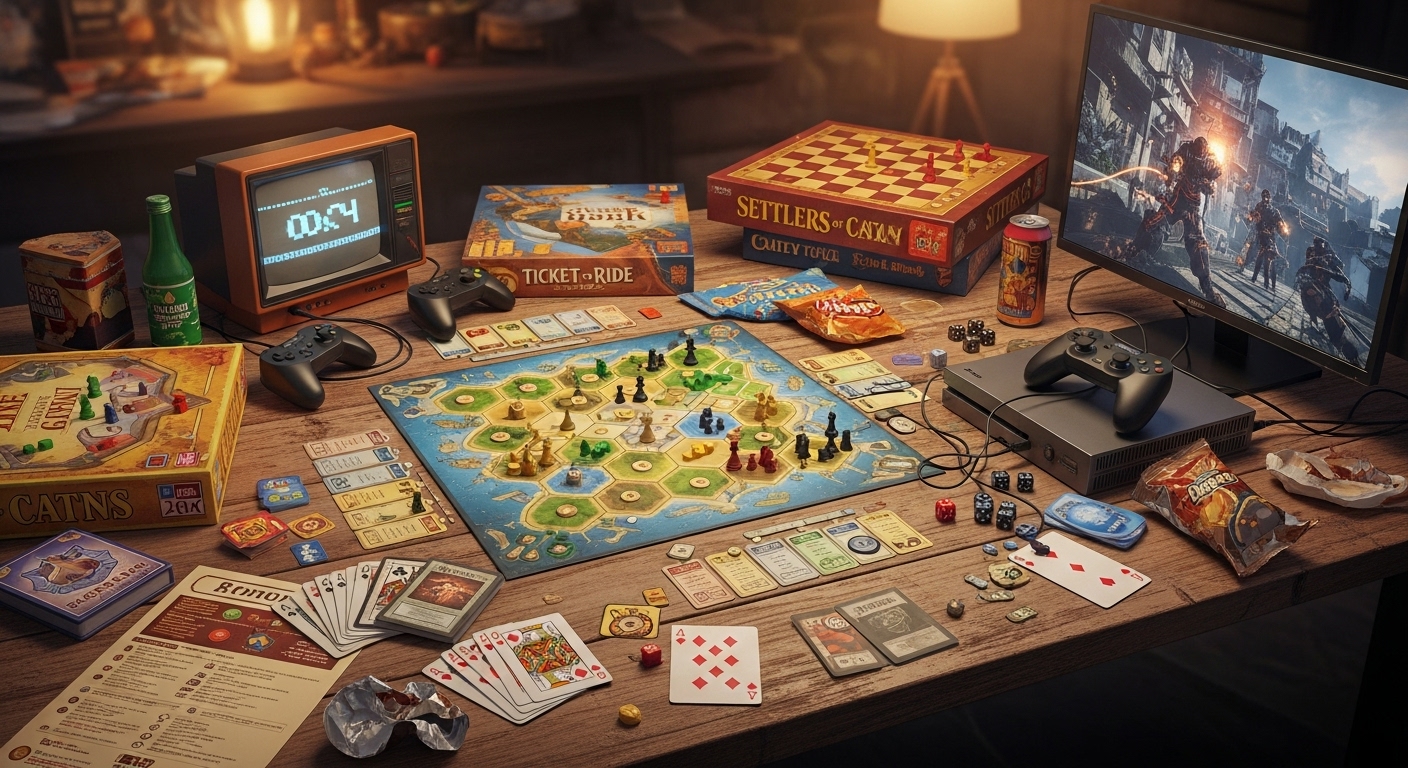
Games have been an integral part of human culture for centuries. From simple board games to complex digital experiences, games entertain, challenge, and connect people across generations. They are not just a source of fun; games stimulate the mind, encourage creativity, and foster social interaction, making them an essential part of both leisure and learning.
The History of Games
The history of games dates back thousands of years. Ancient civilizations played board games like Senet in Egypt and Go in China, using them to develop strategy and social skills. Card games, dice games, and physical competitions became popular in Europe and Asia, reflecting cultural values and traditions. Over time, games evolved from physical and tabletop forms to digital experiences, expanding their reach and complexity.
Types of Games
Games come in various forms, each offering unique experiences. Board games like chess and Monopoly focus on strategy and critical thinking. Card games emphasize luck, skill, and social interaction. Video games provide immersive worlds where players solve challenges, explore creativity, and compete globally. Sports-based games simulate real-life competition, while puzzles and brain teasers engage cognitive skills. Each type of game contributes to entertainment and mental growth.
The Role of Video Games
Video games have revolutionized the world of entertainment. With advanced graphics, interactive storytelling, and multiplayer features, they create experiences that go beyond passive enjoyment. Online platforms connect players from around the world, fostering communities and competitive gaming culture. Video games also encourage problem-solving, teamwork, and decision-making, making them both fun and educational.
Social and Cultural Impact
Games have a profound impact on society and culture. They bring people together, whether through family board games, online multiplayer matches, or community tournaments. Games also inspire creativity, from designing custom levels to creating mods and fan art. Culturally, games reflect societal trends, values, and stories, influencing media, fashion, and even language.
Educational Benefits of Games
Games are more than entertainment—they are powerful educational tools. Strategy games develop critical thinking and planning, puzzles enhance problem-solving, and simulations teach real-world concepts. Gamified learning methods make education engaging, interactive, and effective. Even competitive games teach discipline, perseverance, and collaboration, skills that are valuable in daily life.
Challenges in Gaming
Despite their benefits, games also present challenges. Excessive screen time, addiction, and exposure to inappropriate content are concerns, particularly for younger players. Maintaining a balance between gaming and other activities is essential. Developers and parents play a key role in ensuring safe and healthy gaming experiences.
The Future of Games
The future of games promises innovation and new experiences. Virtual reality, augmented reality, and artificial intelligence are creating immersive worlds where players can interact in unprecedented ways. Cloud gaming and mobile platforms are making games accessible to everyone, everywhere. As technology evolves, games will continue to grow as a medium for entertainment, education, and social connection.
Conclusion
Games are more than simple pastimes—they are a reflection of human creativity, strategy, and social connection. From ancient board games to modern digital experiences, they challenge the mind, entertain the soul, and bring people together. As the world of gaming continues to evolve, it will remain an essential part of culture, learning, and recreation, proving that fun and growth can go hand in hand.