
Introduction
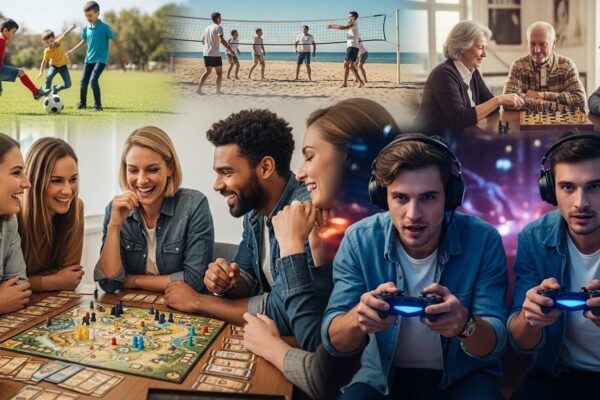
Gaming has evolved from a niche hobby to one of the most influential and diverse forms of modern entertainment. It is no longer limited to casual play or childhood amusement; gaming has become a medium that blends technology, storytelling, social interaction, and competition. From simple arcade titles to immersive virtual worlds and competitive esports, games have transformed how people interact with entertainment and with each other. This blog explores the history, evolution, cultural impact, technological advancements, and future potential of gaming, highlighting why it has become a central part of contemporary society.
The Origins of Gaming
The roots of gaming can be traced back to the early days of electronic entertainment. In the 1970s and 1980s, arcade machines like Pong, Space Invaders, and Pac-Man captivated audiences and introduced the concept of interactive digital play. These games were simple yet addictive, offering players a sense of challenge, achievement, and social competition through high scores and tournaments.
Home consoles such as the Atari 2600 and Nintendo Entertainment System brought gaming into living rooms, making it accessible to a wider audience. Early games were limited in graphics and mechanics but laid the groundwork for storytelling, character development, and interactive engagement. These pioneering experiences sparked a cultural phenomenon that continues to evolve.
The Emergence of Multiplayer Gaming
The 1990s marked a significant turning point in gaming with the rise of multiplayer experiences. Local area networks allowed players to compete with friends in the same physical space, while the internet introduced global connectivity, enabling competition across continents. Titles such as Doom, Quake, and StarCraft redefined gameplay with real-time interactions, strategic planning, and team coordination.
Multiplayer gaming fostered community building, social interaction, and teamwork. Players formed clans, guilds, and online communities, sharing strategies and experiences. This period established the foundations of social gaming and competitive play that continue to define the industry today.
Immersive Storytelling and Narrative Games
As technology advanced, games evolved to incorporate immersive storytelling and narrative depth. Role-playing games, adventure titles, and simulation games introduced complex characters, branching storylines, and expansive virtual worlds. Games like Final Fantasy, The Legend of Zelda, and The Elder Scrolls series captivated players by combining gameplay mechanics with rich storytelling.
This era transformed games into interactive art forms, allowing players to influence outcomes and make choices that impacted the narrative. Immersive storytelling elevated gaming from a form of entertainment to a medium capable of delivering emotional and intellectual experiences on par with film and literature.
Technological Innovations in Gaming
Technological progress has been a driving force behind the gaming industry. High-definition graphics, powerful processors, realistic physics engines, and advanced sound design have made virtual worlds more immersive than ever. Modern consoles and gaming PCs deliver cinematic experiences, while advancements in cloud computing allow players to enjoy high-quality games without expensive hardware.
Virtual reality and augmented reality have further enhanced immersion. VR transports players into interactive three-dimensional environments, while AR blends digital content with the real world. These technologies redefine gameplay and open new possibilities for engagement, storytelling, and creativity.
The Rise of Mobile Gaming
Mobile gaming has revolutionized access and convenience, making games available to a vast global audience. Smartphones and tablets enable players to enjoy games anywhere and at any time, attracting casual and dedicated gamers alike. Titles such as Candy Crush, Clash of Clans, and PUBG Mobile have reached hundreds of millions of players, demonstrating the widespread appeal of mobile platforms.
Mobile games often feature short, engaging sessions, intuitive controls, and social connectivity, making them highly addictive and accessible. This accessibility has helped democratize gaming, allowing people from diverse backgrounds to participate and connect with others worldwide.
Competitive Gaming and Esports
Competitive gaming, or esports, has transformed gaming into a spectator sport. Players compete professionally in games such as League of Legends, Dota 2, Fortnite, and Counter-Strike, attracting millions of viewers online and in stadiums. Esports has created opportunities for professional careers, sponsorships, and media content, elevating gaming to the same level of legitimacy as traditional sports.
Esports events foster global communities, provide entertainment to fans, and inspire new generations of gamers. They demonstrate that gaming is not only an interactive pastime but also a highly competitive and culturally significant industry.
Social Interaction and Community in Gaming
Gaming is inherently social, with online multiplayer experiences, guilds, and forums fostering communication and collaboration. Players can meet friends, share strategies, and participate in cooperative or competitive challenges, creating a sense of community and belonging.
Gaming communities extend beyond the game itself, encompassing fan art, content creation, online discussions, and social media interaction. These communities strengthen player engagement, build loyalty, and create shared cultural experiences. Social connectivity has become a core aspect of gaming, influencing design and player expectations.
Cultural Impact of Gaming
Gaming has a profound cultural influence, shaping trends in music, fashion, language, and media. Iconic characters, storylines, and worlds have become part of global pop culture, inspiring movies, merchandise, and fan creations. Gaming also encourages creativity, as players modify games, design content, and contribute to the development of gaming culture.
The narratives and themes explored in games reflect societal issues, cultural values, and human experiences. Gaming allows players to explore identity, make ethical choices, and engage with complex topics in interactive ways, making it a unique cultural medium.
Educational and Skill Development Benefits
Games are not only entertaining but also educational. Many games improve problem-solving skills, strategic thinking, hand-eye coordination, and cognitive abilities. Educational games and simulations make learning engaging, interactive, and immersive.
Strategy, simulation, and puzzle games teach planning, resource management, and critical thinking. Multiplayer and team-based games enhance communication, collaboration, and leadership skills. Gaming, therefore, offers significant developmental benefits while remaining an enjoyable activity.
Monetization and Economic Impact of Gaming
The gaming industry is a major economic force, generating revenue through game sales, in-game purchases, subscriptions, esports, and live events. It supports millions of jobs globally, from game development and design to marketing, support, and streaming.
Independent developers can now reach global audiences without traditional publishers, thanks to digital distribution platforms. This democratization encourages innovation, diversity, and creative freedom within the industry. Gaming’s economic impact reflects its significance beyond entertainment, influencing technology, culture, and global commerce.
Future Trends in Gaming
The future of gaming promises continued innovation, integration, and immersion. Artificial intelligence will create more responsive and adaptive game worlds. Cloud gaming will enable high-quality play across devices without the need for expensive hardware. Virtual reality, augmented reality, and mixed reality experiences will deepen immersion and expand gameplay possibilities.
Cross-platform connectivity will allow players to engage seamlessly across devices, creating unified communities. Emerging technologies like blockchain may introduce new forms of ownership, in-game economies, and player-driven content. As gaming evolves, it will continue to influence entertainment, culture, and social interaction in unprecedented ways.
Conclusion
Gaming has come a long way from simple arcade machines to complex, immersive experiences that shape culture, society, and entertainment. From early home consoles to mobile platforms and esports arenas, gaming has become a powerful medium for storytelling, competition, and social connection.
The social, cultural, educational, and economic impact of gaming underscores its importance beyond leisure. As technology advances and player communities grow, gaming will continue to innovate and inspire, offering engaging experiences that connect people across the globe. Gaming is not just a hobby—it is a transformative cultural phenomenon that continues to redefine entertainment and human interaction.