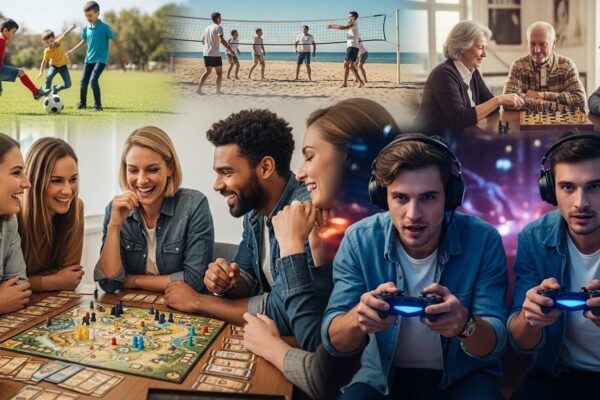
Introduction: The Power of Play
Games have always been more than mere entertainment. From ancient board games carved in stone to modern digital adventures powered by cutting-edge technology, games have shaped how humans learn, compete, and connect. They reflect our creativity, strategy, and emotions, offering a way to experience joy, discovery, and even personal growth. Today, the global gaming industry is a cultural force, influencing art, education, and social interaction on a scale once unimaginable. The story of games is, in many ways, the story of human evolution — a journey of imagination and innovation that continues to redefine the boundaries of play.
The Ancient Origins of Games
Long before the rise of computers or consoles, games were an integral part of human civilization. Archaeologists have discovered game boards and dice dating back thousands of years, showing that people across ancient Egypt, Mesopotamia, and China engaged in playful competition. Games like Senet and Go were not just diversions but social and sometimes spiritual activities that reflected human curiosity and the desire to master challenges.
These early games taught strategy, patience, and decision-making. They also helped communities bond and pass time together. The idea of rules, goals, and fair play became foundational to both gaming and social structure. Over centuries, these traditional forms of play evolved into organized sports, card games, and, eventually, the digital games that dominate today’s culture.
The Evolution of Modern Gaming
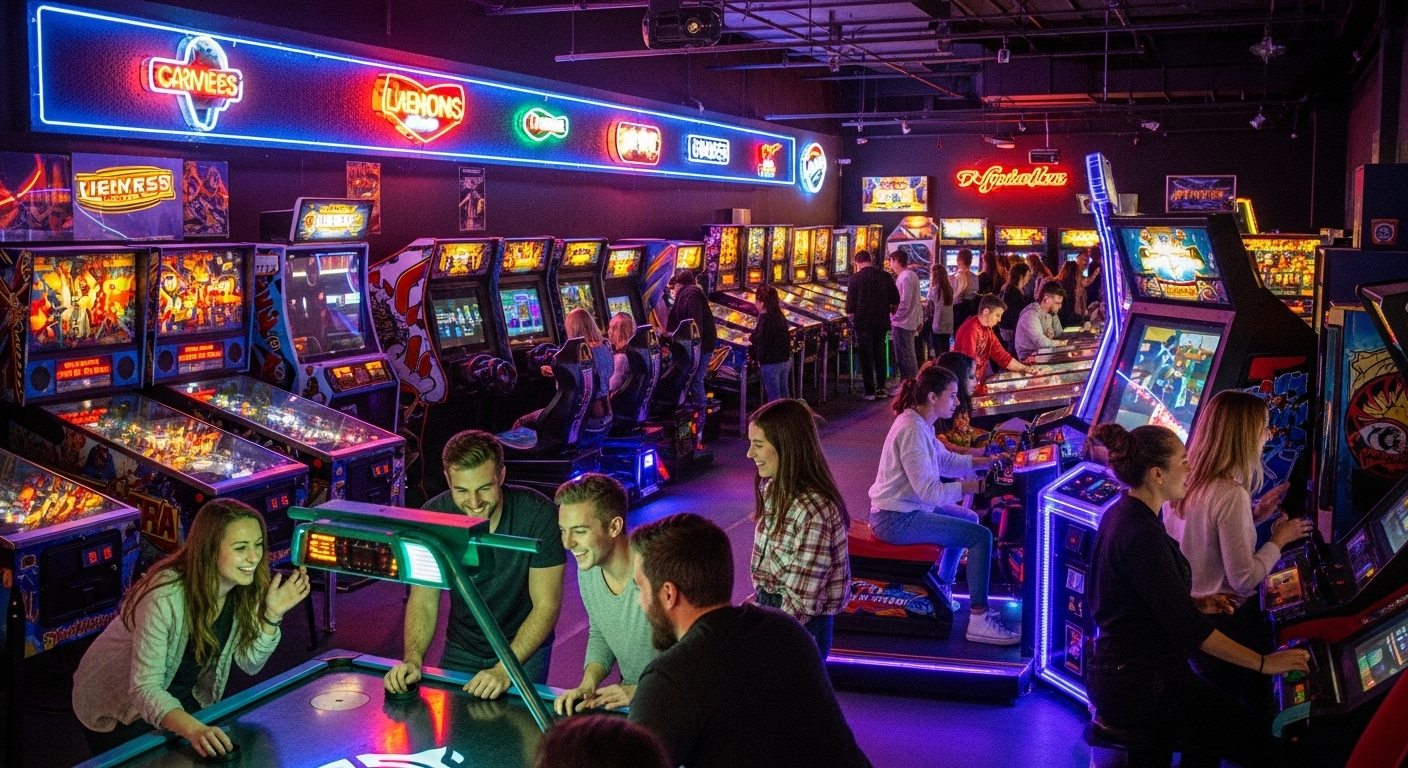
The modern gaming revolution began in the 20th century with the introduction of arcade machines and early computer games. Simple yet captivating titles like Pong and Space Invaders introduced the world to electronic entertainment. These games were revolutionary because they brought interactive experiences to life — something television and cinema could not achieve.
As technology advanced, so did the complexity and creativity of games. The 1980s and 1990s saw the rise of home consoles, where legendary titles like Super Mario Bros, The Legend of Zelda, and Sonic the Hedgehog defined childhoods and set the foundation for storytelling in games. The turn of the millennium brought 3D graphics, immersive sound, and online multiplayer capabilities, allowing players from different parts of the world to connect in shared virtual worlds.
Today, gaming is not limited to consoles or PCs. Mobile devices, virtual reality headsets, and cloud platforms have made games accessible to everyone. The variety is endless — from puzzle and simulation games to open-world adventures and strategy-based experiences. Every generation of technology has redefined what gaming can be, transforming it from a pastime into a global industry worth billions.
The Science Behind Gaming: More Than Fun
Games are more than entertainment; they are also tools for learning and cognitive development. Studies have shown that playing video games can improve memory, problem-solving skills, and hand-eye coordination. Strategic games, for example, challenge players to think critically, plan ahead, and make quick decisions under pressure.
Educational games have become an important part of learning, teaching children math, language, and logic in engaging ways. Even in professional fields, simulation games are used for training pilots, surgeons, and military personnel. The combination of visual stimulation and interactive engagement creates a powerful learning environment that traditional methods cannot replicate.
Furthermore, gaming can support emotional and mental well-being. For many, games offer an escape from daily stress, providing a safe space for creativity and self-expression. Cooperative multiplayer games also foster teamwork, communication, and empathy as players work together to achieve common goals.
The Culture of Gaming: A Global Phenomenon
Gaming has grown into a cultural movement that transcends geography, language, and age. It is a universal form of storytelling, where players become active participants rather than passive observers. From the fantasy realms of role-playing games to the realistic worlds of sports simulations, games allow people to live out experiences beyond the limits of reality.
Communities built around gaming have become vibrant social spaces. Online forums, live streaming, and esports competitions have turned gaming into a spectator sport and cultural phenomenon. Players are not just consumers but creators, developing mods, fan art, and even entire new games. This participatory culture has given rise to a new generation of artists, writers, and designers inspired by the interactive nature of gaming.
The aesthetics of games now influence music, film, and fashion. Game characters have become icons, and soundtracks from popular titles are performed in orchestral concerts worldwide. What began as a niche hobby has evolved into one of the most influential cultural expressions of the modern age.
The Business of Games: A Thriving Global Industry
The gaming industry has become one of the largest entertainment sectors in the world, surpassing movies and music combined. It generates billions in revenue and employs millions across various disciplines, from programming and animation to marketing and sound design. The diversity of gaming genres ensures that there is something for every type of player, from casual gamers who play for relaxation to competitive players who seek mastery.
Independent developers have also found success through digital distribution, creating innovative titles that challenge mainstream trends. This democratization of game development has allowed creativity to flourish, giving players more unique and meaningful experiences. Moreover, game streaming and esports have created new career paths, where professional gamers and content creators entertain millions of viewers daily.
With the rise of cloud gaming and subscription models, the business side of gaming continues to evolve. Players can now access massive libraries of games instantly, without needing expensive hardware. This accessibility fuels further growth and ensures that gaming remains a major driver of technological and economic progress.
The Social Impact of Games
Beyond entertainment and business, games have a deep social impact. They bring people together, create communities, and sometimes even spark social change. Multiplayer and cooperative games encourage collaboration across cultural and national boundaries, fostering global friendships and understanding.
Games have also been used to raise awareness about real-world issues. Titles focusing on environmental conservation, social justice, and mental health promote empathy and critical thinking. Developers increasingly recognize their power to influence perspectives and encourage positive change.
Additionally, games are being used in therapy and rehabilitation. Gamified exercises help patients recover motor skills, while immersive environments assist those dealing with anxiety or trauma. The emotional power of storytelling in games allows players to explore complex human experiences in ways that traditional media cannot achieve.
Challenges in the Gaming World
Despite its many benefits, the gaming industry faces challenges. Concerns about excessive gaming, online toxicity, and the representation of diverse voices continue to shape public discussions. While most players enjoy games responsibly, addiction and unhealthy play habits can affect mental and physical well-being.
Developers and regulators are working together to promote responsible gaming practices. Parental controls, playtime limits, and awareness programs help ensure that gaming remains a balanced and positive activity. Inclusivity is another growing priority, with efforts to create characters, stories, and environments that reflect the diversity of the global gaming audience.
Cybersecurity and privacy are also crucial issues, as online games often involve personal data and transactions. As technology advances, maintaining player trust through transparency and protection becomes essential.
The Future of Gaming: Beyond Imagination
The future of gaming promises experiences that go far beyond what we can imagine today. Virtual reality and augmented reality are already creating new dimensions of immersion, allowing players to physically move, explore, and interact within digital worlds. Artificial intelligence will continue to revolutionize gameplay by creating adaptive challenges and personalized experiences.
Cross-platform play and cloud gaming will further dissolve barriers, connecting players across devices and locations. The blending of games with other forms of media, such as movies and music, will create hybrid entertainment experiences that appeal to multiple senses at once.
Moreover, the rise of the metaverse — a collective virtual universe — represents the next evolution of gaming. In this digital realm, players will not only play but also work, learn, and socialize, blurring the line between virtual and real life. Gaming will remain at the heart of this transformation, driving innovation and shaping how humanity interacts with technology in the decades to come.
Why Games Matter: Lessons from Play
Games are more than a way to pass time — they are reflections of human nature. They teach us resilience, creativity, and collaboration. Every challenge faced in a game mirrors real-life obstacles, encouraging perseverance and adaptability. Games also remind us of the importance of play, not just for children but for people of all ages.
Play allows us to think freely, experiment with ideas, and express emotions. In a fast-paced, technology-driven world, gaming provides moments of joy and connection that balance the pressures of daily life. Whether digital or traditional, single-player or multiplayer, competitive or relaxing, games continue to serve as one of humanity’s most universal languages.
Conclusion: The Endless Game of Life
From ancient stones to digital screens, the journey of games reflects the evolution of civilization itself. They have grown from simple pastimes into powerful tools of creativity, communication, and cultural expression. The gaming world continues to expand, offering limitless opportunities for exploration, connection, and self-discovery.
As technology advances and societies evolve, games will remain a bridge between imagination and reality — a space where anyone can dream, challenge, and grow. The world of games is infinite, and its story is far from over. It is a living, breathing art form that continues to inspire, teach, and entertain, proving that play is not just a luxury but an essential part of what makes us human.